
How to Pair Cigars with Whiskey: A Guide to Perfect Harmony (Updated for 2026)
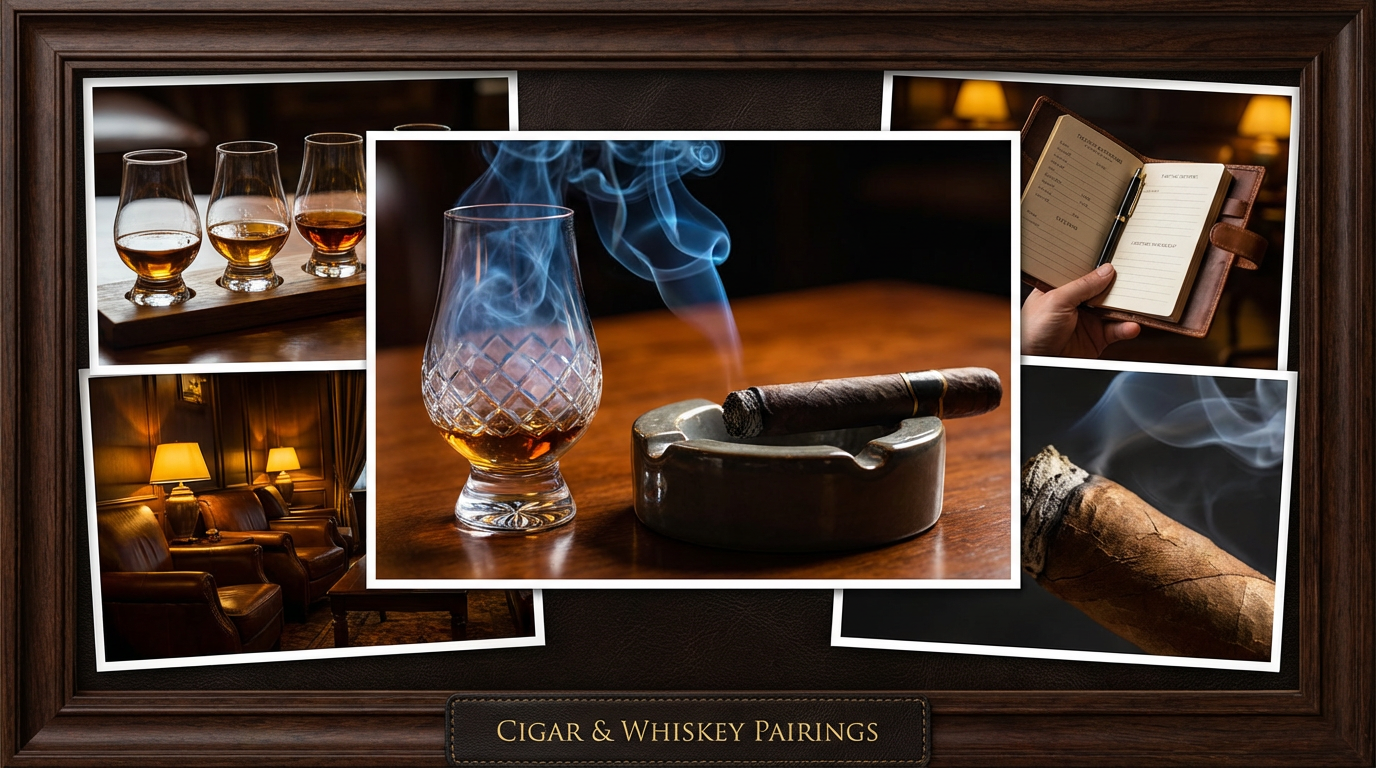
Welcome, fellow aficionados, to the delightful world where smoke meets spirit! As we settle into this fine Saturday, April 11th, 2026, let's explore the art and science of pairing cigars with whiskey. Forget simply lighting up and pouring a dram; we're diving deep into creating a symphony of flavors that will elevate your senses. Whether you're a seasoned pro or just starting your journey, this guide will equip you with the knowledge to craft perfectly balanced pairings.
The marriage of a fine cigar and quality whiskey represents one of the most celebrated indulgences. When executed thoughtfully, these two sophisticated pleasures can dramatically enhance one another, creating a sensory experience that exceeds the sum of its parts.
Why Pair Cigars and Whiskey?
Think of it like this: a great cigar and a great whiskey are fantastic on their own. But when paired correctly, they unlock hidden nuances in each other, creating an experience that's far greater than the sum of their parts. It's about finding that sweet spot where the smoke and spirit dance on your palate, leaving you with a lingering satisfaction.
1. Complement vs. Contrast: The Flavor Dance
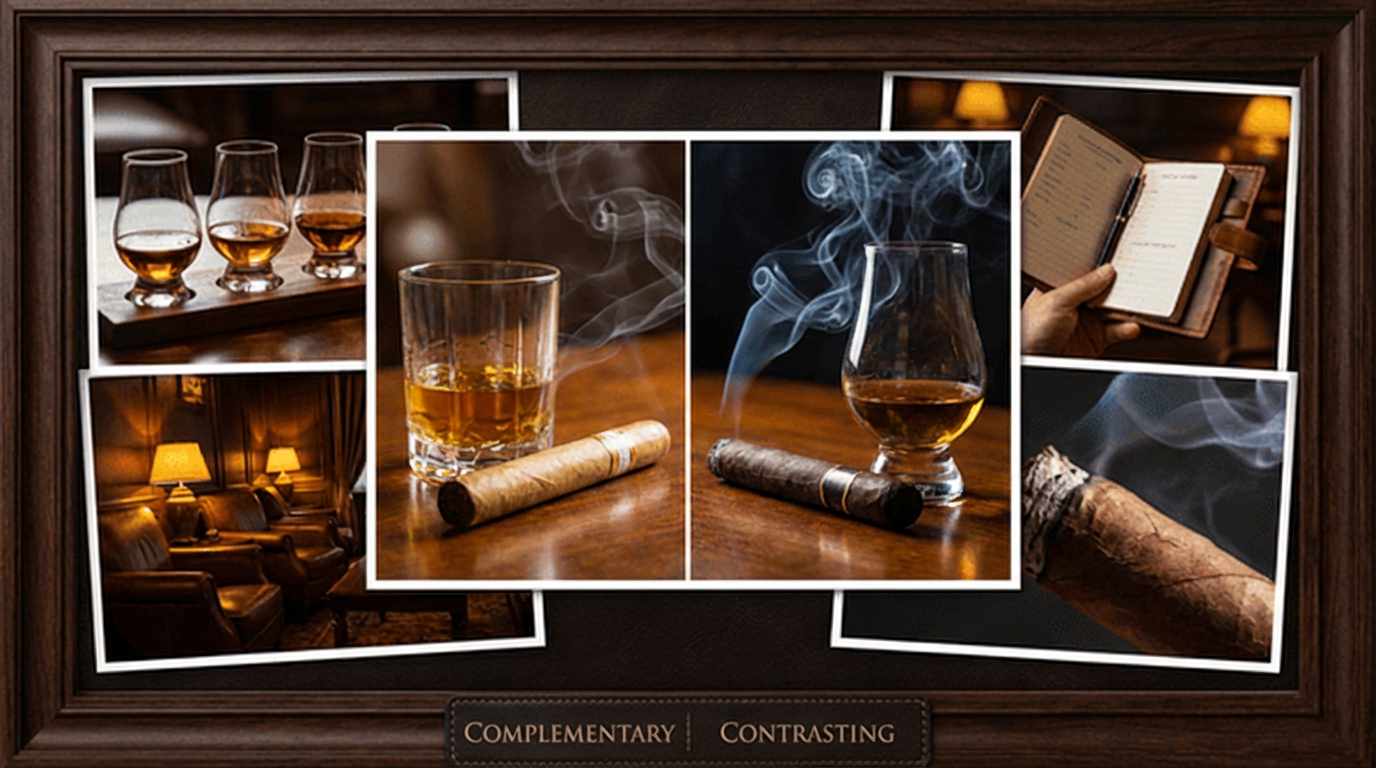
For years, the conventional wisdom suggested that "opposites attract" when it came to cigar and whiskey pairings. The idea was to pair a bold, spicy cigar with a smooth, sweet whiskey, or vice versa. However, contemporary research has revealed a far more complex reality.
The truth is, there's no single "right" way to pair. The most successful pairings emerge when enthusiasts understand the fundamental difference between complementary and contrasting flavor combinations, recognize the critical importance of matching the boldness levels of cigars and whiskeys, and develop the palate sophistication necessary to identify subtle flavor transitions that occur throughout the smoking and sipping experience.
Complementary Pairings: These are pairings where the tasting notes of both the cigar and the whiskey are enhanced and amplified through their interaction. Think of it as a perfect duet, where each performer brings out the best in the other. For example, pairing a sweeter or earthier cigar with something bold and spicy.
Example: The Don V Corojo paired with a toasted French oak stave-finished bourbon from Blue Note, bottled at 50% ABV, exemplifies an exceptional complementary pairing. Tasting from cigar to whiskey creates a sensation of thick, silky coconut milk layered over a dessert-like sweet Mexican Horchata. Reversing the tasting direction with whiskey to cigar transforms the experience into something reminiscent of torched vanilla sugar cookies arranged over crème brûlée.
Contrasting Pairings: These pairings deliberately play opposing flavors and characteristics against one another to create an interesting and engaging dynamic. It's like a playful argument between two strong personalities. For example, matching a sweeter whisky with a peppery Nicaraguan cigar wrapped in Maduro.
Actionable Tip: Experiment with both complementary and contrasting pairings to discover your personal preferences. Don't be afraid to break the "rules" and find what excites your palate.
2. Proof & Sweetness: Finding the Balance
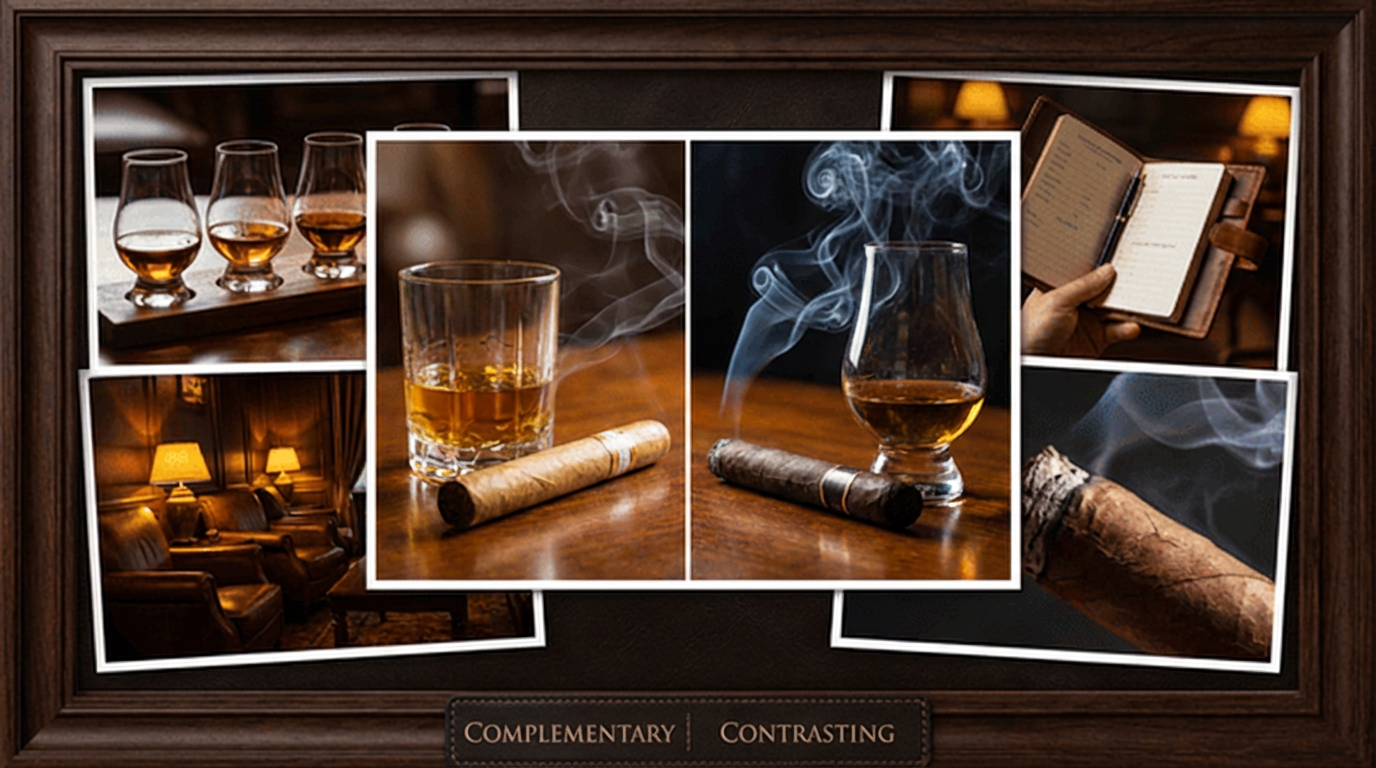
The alcohol content, or "proof," of a whiskey is another crucial factor to consider. Many assume that higher proof always equals a better pairing. While high-proof whiskeys can offer enhanced richness and intensity, the relationship is more complex.
Proof Considerations: Whiskey at a higher proof point has had less water added to it, resulting in a higher concentration of aromas and flavors. High-proof bourbons and rye whiskeys demonstrate enhanced richness and intensity of taste, a characteristic that proves particularly beneficial when seeking specific flavors from a bourbon or when combining the whiskey with a robust, full-bodied cigar where the additional flavor intensity creates a more balanced sensory interaction. However, the addition of even small amounts of water to a high-proof whiskey can be highly beneficial, actually drawing out flavors that cannot be discerned at the higher alcohol point.
Sweetness Matters: Bourbon enthusiasts often argue that bourbon's natural sweetness—featuring notes of vanilla, butterscotch, caramel, coconut, chocolate, dried fruit, toffee, and honey—perfectly complements the smoky, sweet, and spicy profile many cigars offer. However, Scotch whisky, which often features considerably less sweetness than bourbon but instead offers depth, commanding presence, and greater resonance due to peating and other factors, frequently creates more satisfying pairings with the best strong cigars.
Actionable Tip: Beginners should start with whiskeys under 110 proof to develop their palate. As you gain experience, explore higher-proof expressions and observe how they interact with different cigars.
3. Example Pairings to Try: Your Starting Point
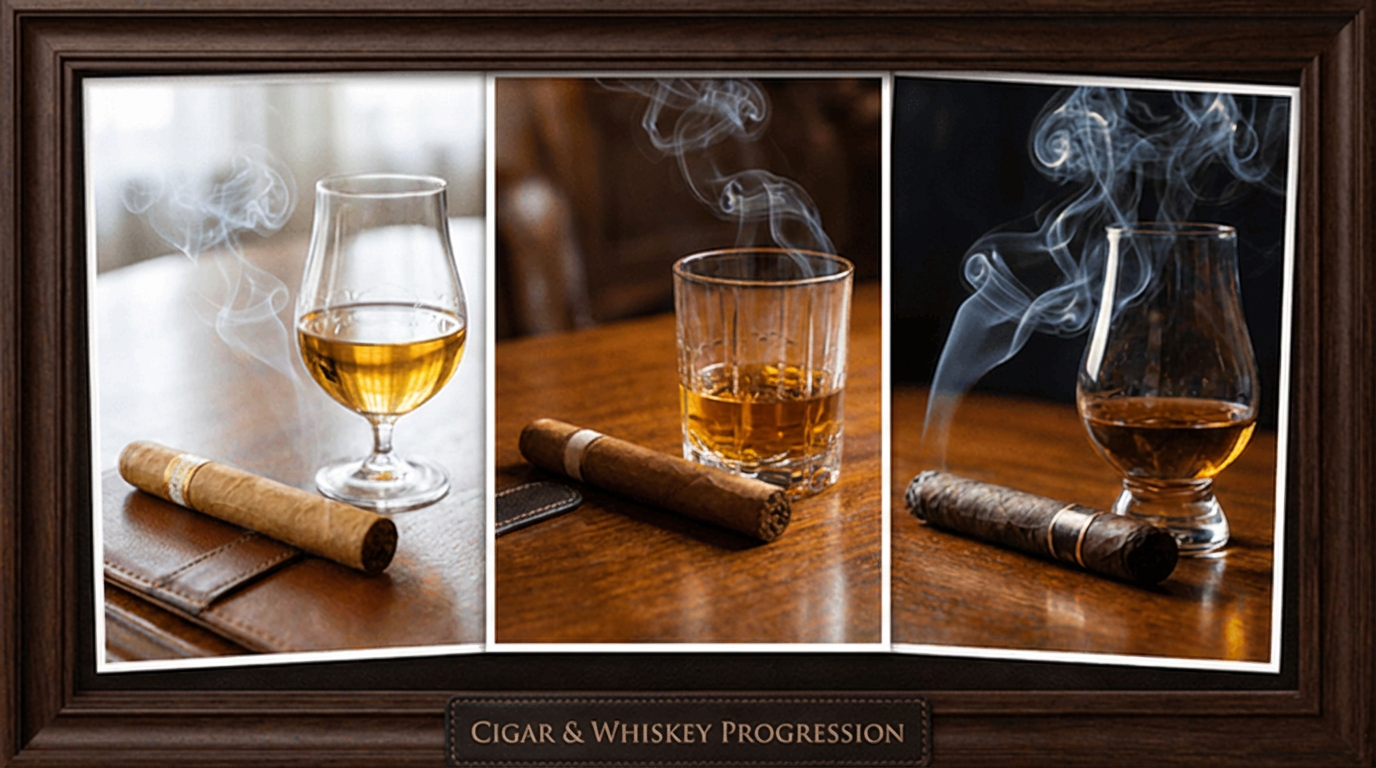
Now, let's get practical! Here are some example pairings to get you started, keeping in mind the principles we've discussed:
Mild Cigar & Light Whiskey: A Connecticut-wrapped cigar with a creamy profile pairs beautifully with a light and floral Speyside single malt or an Irish whiskey. This is a gentle introduction to the world of pairings.
Cigar Example: Macanudo Cafe
Whiskey Example: Ardmore or Cu Bocan
Medium-Bodied Cigar & Complex Whiskey: An Ecuadorian or Sumatran-wrapped cigar offers greater flexibility. Try it with a complex single malt, a spicy rye whiskey, or a well-balanced bourbon.
Cigar Example: La Gloria Cubana Serie R
Whiskey Example: Jim Beam Black
Full-Bodied Cigar & Robust Whiskey: A Maduro or Habano-wrapped cigar with intense dark chocolate, earth, and leather notes demands an equally robust whiskey. Think heavily peated Scotch, high-proof bourbon, or full-flavored rye.
Cigar Example: Ashton ESG
Whiskey Example: Lagavulin 16 or Cutwater Spirits Devil's Share Bourbon
Expanding Your Pairing Knowledge: Cigar Characteristics & Whiskey Types
To truly master the art of pairing, it's essential to understand the nuances of both cigars and whiskey.
Cigar Characteristics:
Wrapper: The wrapper leaf contributes 60-90% of the cigar's flavor. Connecticut wrappers are mild and creamy, Maduro wrappers are rich and sweet, Habano wrappers are spicy, and San Andrés wrappers are intense and peppery.
Filler: Dominican fillers are smooth and creamy, Nicaraguan fillers are robust and spicy, and Honduran fillers are earthy and woody.
Binder: The binder holds the filler together and subtly enhances the overall taste.
Vitola (Size & Shape): Larger cigars burn slower and cooler, offering a more nuanced flavor profile. Smaller cigars burn hotter and faster, delivering more intense flavors.
Whiskey Types:
Bourbon: Sweet with notes of caramel, vanilla, and oak.
Rye: Spicy and tangy with notes of pepper, cinnamon, and licorice.
Single Malt Scotch: Varies widely based on region and peat influence. Some are peaty and smoky, while others are floral and buttery.
Irish Whiskey: Typically smoother than Scotch with characteristics that work beautifully with mild to medium-bodied cigars.
Japanese Whiskey: Delicate and complex with balanced and harmonious flavors.
The Science of Tasting: Developing Your Palate
The human experience of taste involves taste, smell, texture, and temperature. Retrohaling (exhaling smoke through the nose) enhances the cigar smoking experience by engaging the olfactory system.
The palate recognizes six primary tastes: sweet, sour, salty, peppery, bitter, and umami. Common tasting notes in cigars include nutty, sweet, vegetal, woody, spicy, coffee, and earthy flavors. Whiskey notes encompass caramel, vanilla, oak (bourbon), and peat, smoke, or regional characteristics (Scotch).
Advanced Pairing Methodologies: Three-Directional Tasting
Professional pairing experts use structured approaches to explore how cigars and whiskeys interact. One method involves tasting in three directions:
Cigar to Drink: Puff the cigar first, then sip the whiskey.
Drink to Cigar: Sip the whiskey first, then puff the cigar.
Poor Man's Smoked Drink: Blow cigar smoke into a Glencairn glass over the whiskey.
Actionable Tip: Keep a tasting notebook to record your impressions. Include the cigar's maker, line, and vitola, as well as notes on the flavor profile and how it changes over time.
Industry Trends and Market Developments (2026):
The cigar industry continues to evolve, with a growing appreciation for craftsmanship and innovative blends. The market for alcohol-infused cigars is expanding, reflecting consumer interest in unique flavor experiences.
Pairing and lifestyle trends are taking whiskey and cigar experiences to new levels. Bold bourbons and peaty single malts remain popular choices. Some brands are collaborating to create curated pairing experiences. Cigar lounges are evolving into experiential destinations.
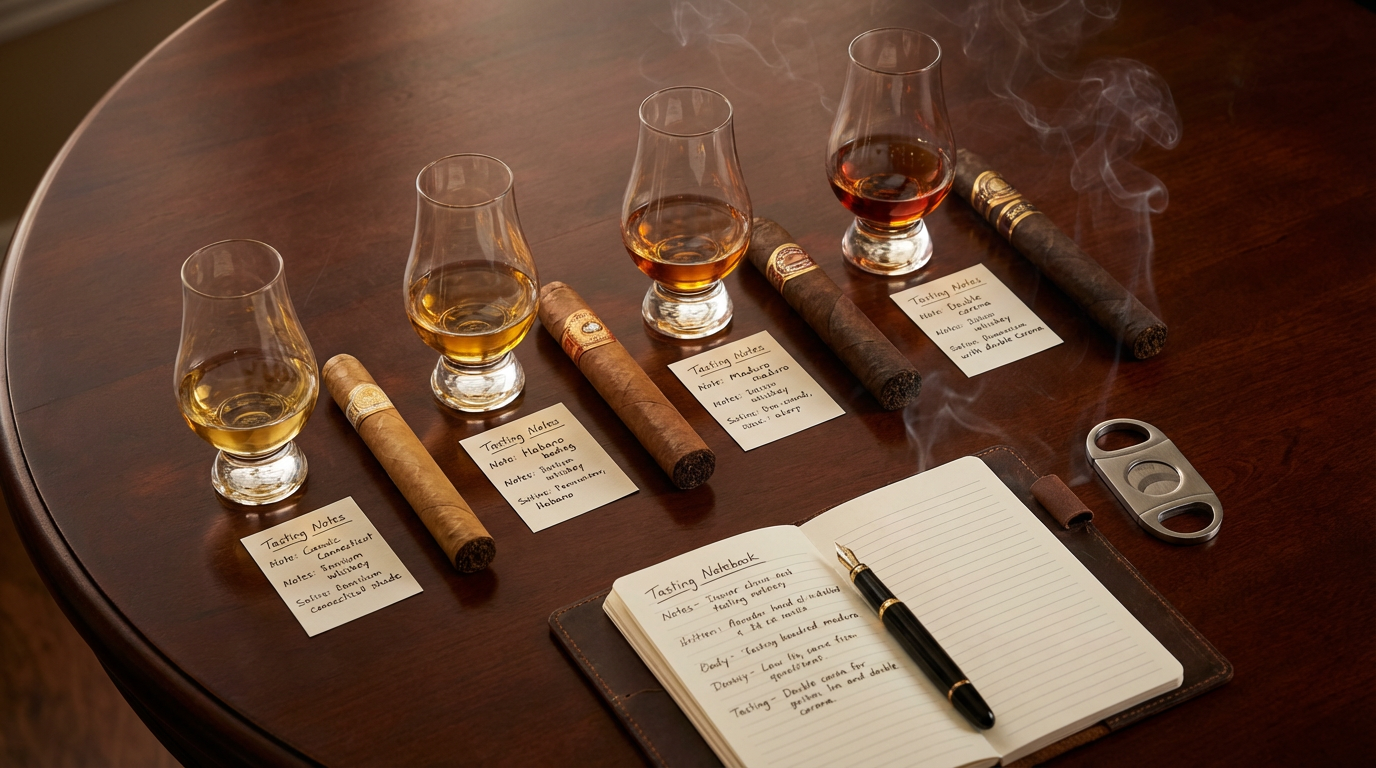
Creating Personalized Whiskey Flights for Cigar Pairing:
Assembling a whiskey flight tailored to specific cigars is a practical way to develop expertise.
Select whiskeys with different flavor profiles.
Start with lower-proof options and progress to higher-proof.
Include 3-5 whiskeys for optimal variety.
Document your tasting notes.
