
Women in the Cigar Industry: Breaking Barriers, Blending Tradition, and Igniting a New Era
It’s April 27, 2026, and the cigar industry is experiencing a renaissance, fueled by a force that's been quietly shaping its future for decades: women. Forget the outdated image of the cigar-chomping executive. Today, women are not just smoking cigars; they're blending them, selling them, and building communities around them. From the rolling hills of Nicaragua to the bustling cigar lounges of North America, women are breaking barriers and reshaping the very culture of the cigar industry.
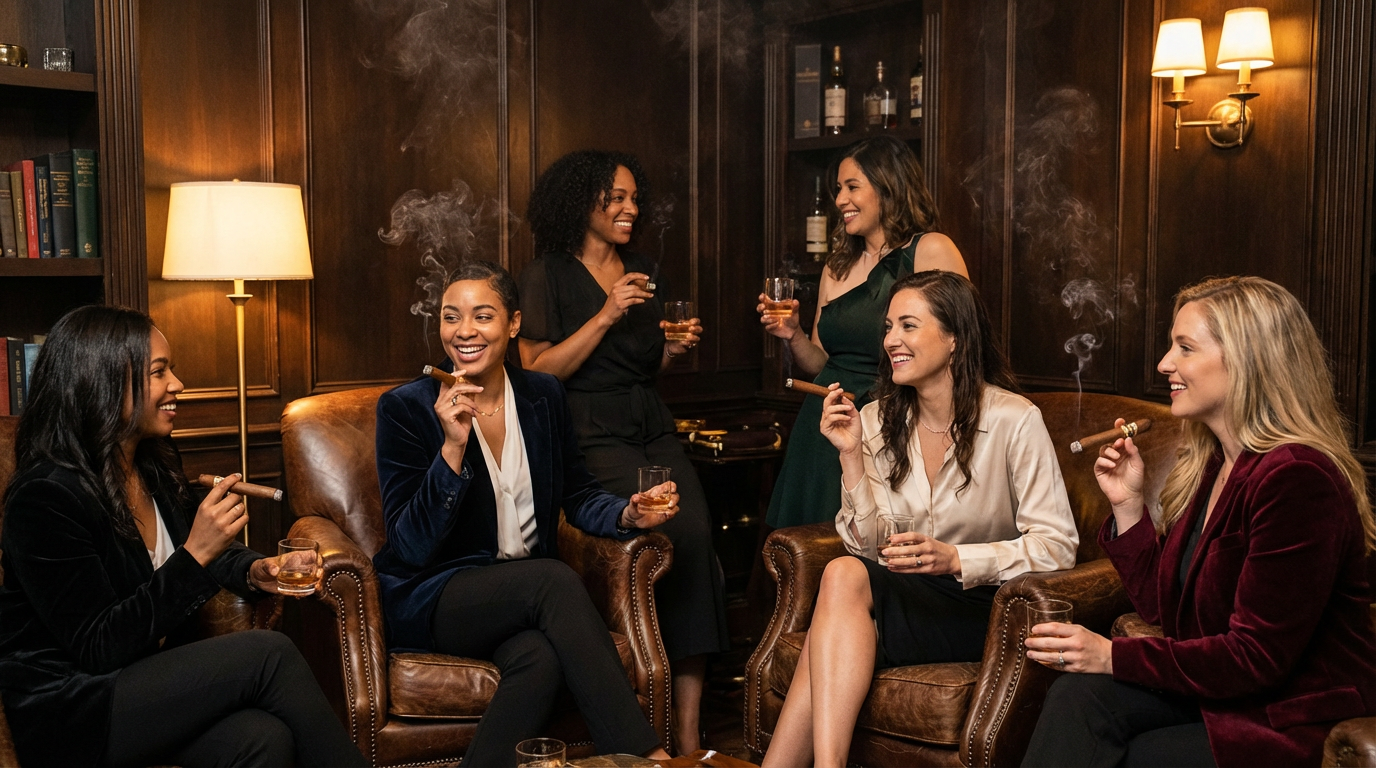
The numbers speak for themselves. The global cigar market for women, valued at USD 867 million in 2024, is projected to reach USD 1,026 million by 2034, boasting a compound annual growth rate of 2.5%. This isn't just a trend; it's a fundamental shift. Women now represent a significant 22% of premium cigar consumers, with a particularly strong showing from the 25-34 age demographic, accounting for approximately 28% of female cigar enthusiasts. This surge in popularity among millennial women signals a sustained trajectory of growth and influence.
This blog post delves into the multifaceted contributions of women in the cigar industry, exploring their historical journey, highlighting prominent figures, and examining the market dynamics that are driving this exciting evolution.
The Historical Journey: From Exclusion to Evolution
The cigar industry wasn't always so welcoming to women. For years, it was perceived as an exclusively male domain. But the truth is, women have been involved in cigar production for centuries, albeit often in the shadows.
Women's Early Roles in Cigar Manufacturing:
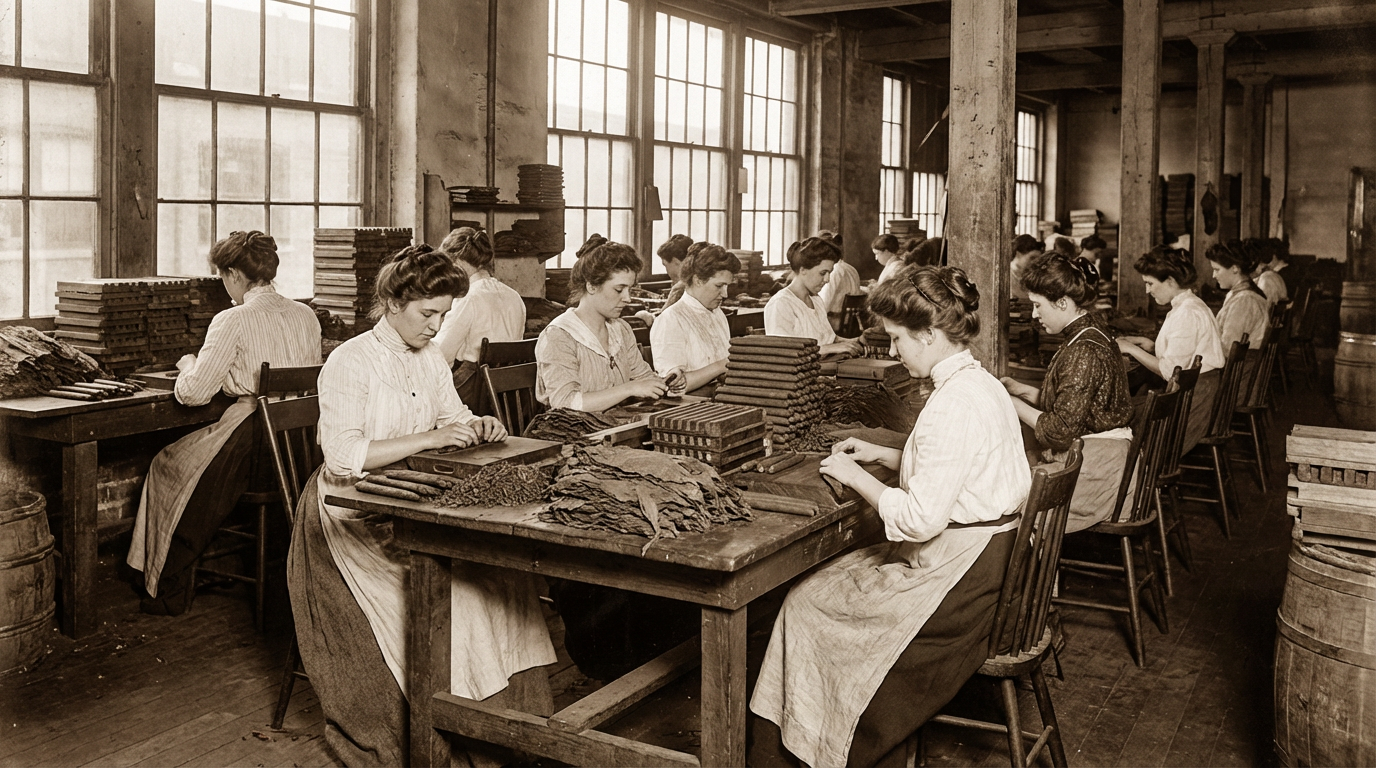
During the industrial expansion of cigar manufacturing in the 19th and early 20th centuries, thousands of women entered cigar factories. Initially, they were relegated to the stripping department, meticulously removing stems from tobacco leaves – a task requiring incredible precision and repetitive manual labor. Factory owners actively recruited women, recognizing their ability to perform these tasks with speed and accuracy.
As women gained experience, some advanced to higher-paying positions as bunchers and hand-rollers. However, this progression was met with resistance from male workers who feared economic competition. Some men even refused to work alongside women, seeking employment in factories that hadn't yet integrated female workers.
Despite these challenges, women proved their exceptional capabilities as cigar rollers, becoming renowned for producing cigars of superior aesthetic quality and consistency. Pragmatic factory owners, recognizing the value of female labor, ultimately retained women, establishing their permanent foothold in the production process.
Historical accounts from cigar manufacturing centers reveal the profound dedication and skill that female workers brought to their craft. In the early 20th century, women cigar makers earned comparable wages to their male counterparts when performing identical tasks, yet the work environment remained stratified by gender. Women who hand-rolled or machine-made cigars demonstrated exceptional productivity, with documented cases of individual workers producing four hundred to six hundred cigarillos daily at piece-rate compensation. Beyond manufacturing, women maintained essential roles in quality control and leaf selection throughout tobacco cultivation and processing, performing work that directly contributed to determining the ultimate quality standards of premium cigars.
Shifting Cultural Narratives in the Twentieth Century:
The cultural perception of women and cigars began to transform in the 1920s, as broader societal changes regarding women's roles and freedoms reshaped consumption patterns. While cigarettes became a symbol of women's liberation, cigars remained largely associated with masculine exclusivity.
The post-World War II era saw the first deliberate marketing efforts from cigar companies targeting female consumers, though these initiatives remained subtle and often conveyed contradictory messages about femininity and sophistication. Throughout the latter half of the 20th century, the image of the cigar-smoking woman remained largely anomalous, despite consistent evidence that women maintained an interest in premium cigars and appreciated the craft and flavor complexity that distinguished quality offerings from mass-produced alternatives.
The late 20th and early 21st centuries brought about fundamental shifts in both cigar industry practices and broader cultural attitudes toward women's participation in traditionally male-dominated activities. Factors contributing to this transformation included:
* Increased participation of women in professional workforces, providing greater disposable income and confidence to pursue interests previously marked as unfeminine.
* The rise of female empowerment movements, creating cultural permission for women to claim spaces and activities aligned with personal choice rather than gender conformity.
* The recognition that cigar companies could substantially expand market opportunities by actively marketing to female consumers rather than assuming universal male preference.
The emergence of social media platforms provided unprecedented opportunities for women to carve out alternative spaces within cigar culture. Female influencers and content creators, such as The Cigar Lady and Cigars and Sweets, demonstrated that cigar appreciation constituted a legitimate lifestyle choice rather than a deviation from feminine norms. These influencers built dedicated followings by combining cigar culture with lifestyle, fashion, and personal storytelling, fundamentally altering perceptions of who belonged in cigar spaces.
Women in Cigar Production: Master Blenders and Artisans Reshaping the Craft
Today, women are not just working in factories; they're leading them. They're master blenders, quality control experts, and entrepreneurs who are shaping the future of the cigar industry.
The Rise of Female Master Blenders:
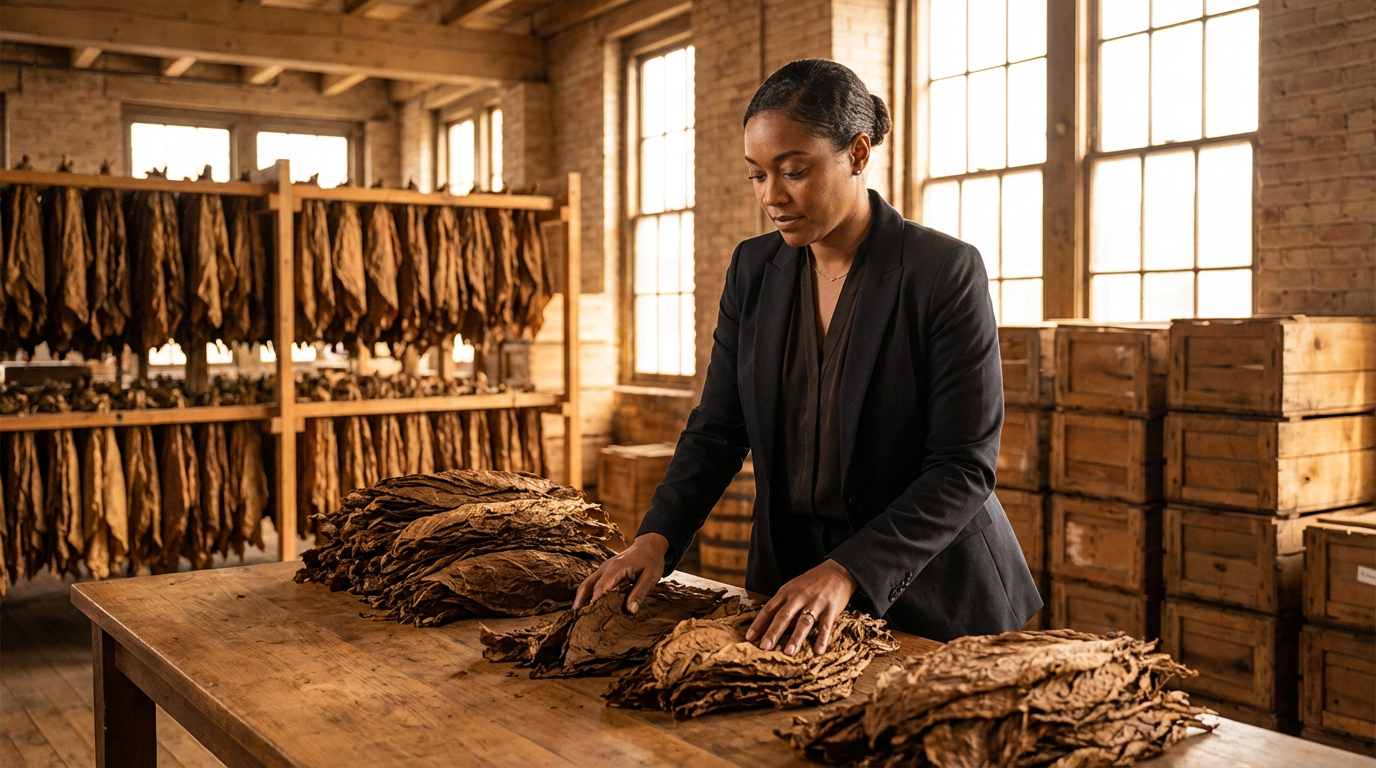
The transformation of women's roles in cigar production represents one of the most significant developments in recent industry history, with women transitioning from entry-level factory positions to highly respected master blender positions commanding influence over the strategic direction of major cigar houses.
The transformation of women's roles in cigar production represents one of the most significant developments in recent industry history, with women transitioning from entry-level factory positions to highly respected master blender positions commanding influence over the strategic direction of major cigar houses.
Cynthia Fuente-Suarez of Arturo Fuente Cigars exemplifies this evolution, earning recognition as the "First Lady of Cigars" through her leadership of a family legacy spanning generations. As daughter of the late Carlos Fuente Sr. and sister of Carlito Fuente, Cynthia inherited not merely a business but a commitment to quality and innovation that defined the Fuente brand's reputation throughout the cigar world. Her work extends beyond traditional cigar making into the strategic development of new blends and production methodologies that maintain the house's premium positioning while adapting to evolving consumer preferences.
Janny Garcia serves as Vice President of Operations at My Father Cigars, overseeing the administrative and logistical dimensions of their massive production facility in Nicaragua, which manufactures millions of cigars annually for their proprietary brands and third-party contracts. Despite her operational focus, Janny Garcia remains integral to quality control and brand development decisions, proving that women's influence in contemporary cigar production extends beyond technical blending into the strategic business decisions that determine a brand's market position and long-term viability.
Beyond the legendary family businesses, a new generation of woman-owned cigar brands and boutique operations introduces fresh perspectives and innovative approaches to the craft. Karen Berger has established herself as a pioneering entrepreneur through her distinctive farm-to-table approach to cigar production, personally overseeing tobacco cultivation and quality control while maintaining direct engagement with end consumers through multiple distribution channels. Her commitment to transparent sourcing and personal connection with her product aligns with broader consumer trends toward authenticity and direct producer relationships.
Maya Selva has built an international reputation for pioneering innovative terroir-based production methods drawing from her Honduran heritage and expertise. Her three-brand portfolio—Flor de Selva, Cumpay, and Villa Zamorano—demonstrates sophisticated understanding of how terroir influences final product characteristics, positioning her as a thought leader in conversations about tobacco regionality and the relationship between growing conditions and smoking experience.
The Science of Quality Control and Sensory Analysis:
Research suggests that women may possess a distinct advantage in quality control and blending operations. Studies in sensory analysis indicate that women often possess a higher density of taste buds relative to men, potentially conferring advantages in detecting subtle flavor nuances and identifying off-notes that compromise product consistency. This physiological distinction, combined with evidence suggesting women's success in precision-oriented manufacturing tasks, positions female quality control specialists as particularly valuable to cigar houses prioritizing consistency and excellence.
From Torcedoras to Factory Overseers:
The traditional role of the torcedora—the hand-roller responsible for combining wrapper, binder, and filler tobaccos into finished cigars—has been performed by both men and women throughout cigar industry history, though male rollers historically claimed greater prestige and compensation despite evidence suggesting women's superior consistency and aesthetic precision.
Contemporary recognition of exceptional female torcedoras and their elevation to master roller status or factory management positions represents both a correction of historical inequities and a pragmatic acknowledgment that quality production depends on recognizing and retaining the most skilled practitioners regardless of gender. Women currently serve as factory overseers and production directors at major cigar houses throughout Central America, managing complex operations involving hundreds of workers, sophisticated machinery, and stringent quality control protocols.
Brands Led by Women: Entrepreneurship and Market Innovation
First-Generation Trailblazers and Family Legacies:
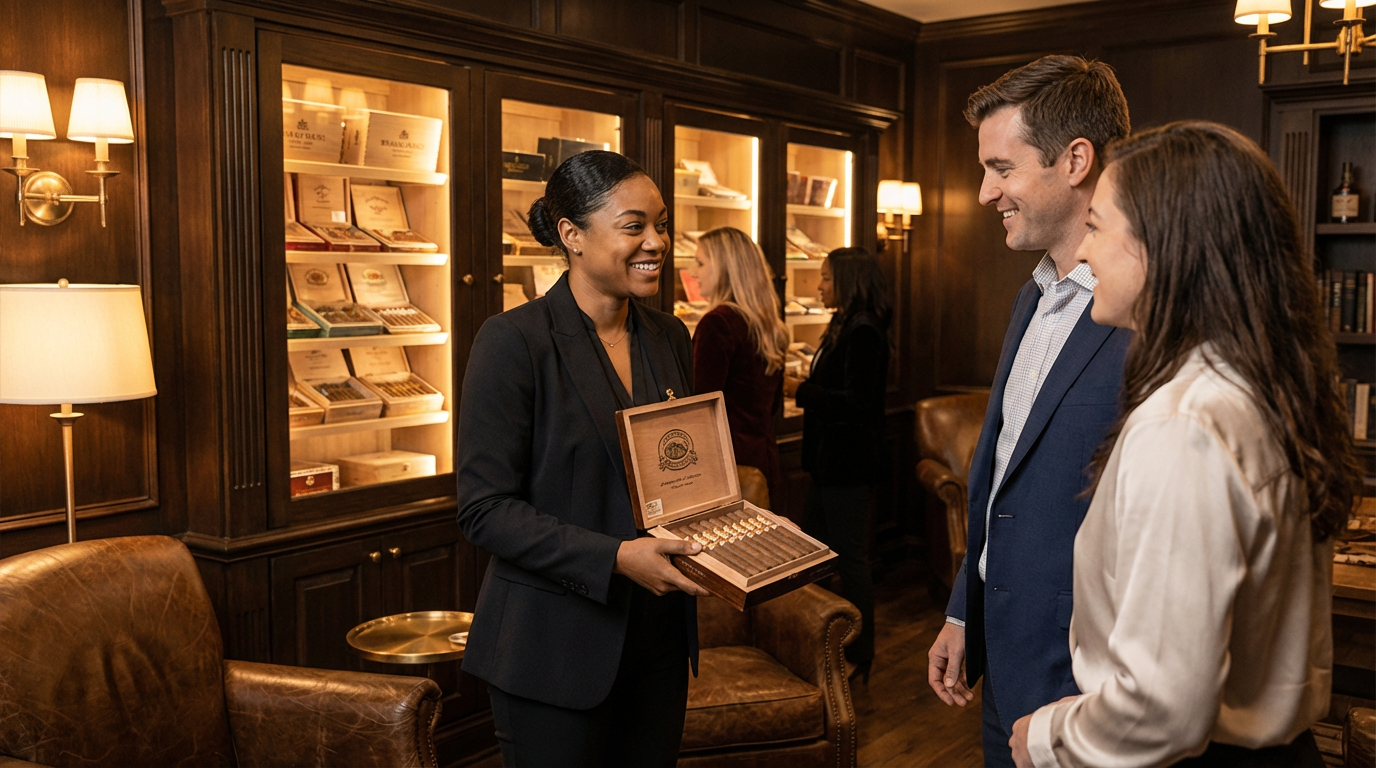
The emergence of women-led cigar brands reflects both the advancement of individual entrepreneurs and the recognition by cigar companies that female consumers represent a market segment with distinct preferences and substantial purchasing power.
Nirka Reyes exemplifies the transition of family cigar businesses into female leadership, assuming control of De Los Reyes, a cigar factory in the Dominican Republic, at the remarkable age of thirty. Her strategic vision demonstrates sophisticated understanding of contemporary market dynamics; she deliberately reduced production volumes to emphasize quality and brand development over volume-driven manufacturing, a counterintuitive decision that reflects confidence in premium positioning and direct relationship with consumers.
Lissette Perez-Carrillo represents another important model of female leadership within family-oriented cigar businesses, guiding marketing and brand development at E.P. Carrillo and Casa Carrillo Cigars. Her focus on modern marketing approaches and consumer engagement has expanded these brands' visibility and appeal, particularly among younger consumers and previously underserved demographics.
Entrepreneurial Ventures and Niche Market Development:
Beyond family-established businesses, women entrepreneurs have launched innovative cigar brands addressing specific market opportunities and consumer preferences that larger established producers have not prioritized.
Yvonne and Yvette Rodriguez, twin sisters with Afro-Cuban heritage, made history as the first female, Black-owned American cigar brand founders, launching Tres Lindas Cubanas Cigars with just five hundred dollars in initial investment. Inspired by their Cuban-heritage grandmother's cigar smoking practices, the Rodriguez twins leverage their personal connection to cigar culture and cultural identity to inform brand development and marketing messaging.
Kelley Hardwick represents another distinctive model of female entrepreneurship in the cigar space, leveraging her professional background and passion for curated cigar experiences to establish Savoir Faire Mobile Cigar Lounge, a Black woman-owned enterprise offering luxury cigar experiences delivered via mobile unit.
Female-Focused Cigar Lounges and Community Spaces:
The dramatic expansion of female-focused cigar lounges represents tangible evidence of shifting market dynamics and consumer preferences, with female-focused cigar lounges now accounting for 12% of new smoking establishments in metropolitan areas. Shirley McClellan established Fire & Smoke Cigar Parlor in Baltimore, Maryland, creating a welcoming space specifically designed for female consumers and entrepreneurs. Dyane Johnson made history as the first Black woman to own a cigar lounge in Washington, DC, establishing Petworth Cigars.
Market Dynamics and Consumer Statistics: Understanding the Female Cigar Consumer
Demographic Profile and Market Penetration:
Women represent approximately 10-20% of cigar smokers in the United States, translating to approximately 3.2 million women smokers. This represents dramatic growth from the 1990s, when cigar industry market research indicated women comprised only one-tenth of one percent of the total United States cigar market.
Women of reproductive age—specifically those aged eighteen to forty-nine—demonstrate notably high lifetime cigar use, with 24.5% reporting ever smoking any type of cigar.
Age-Based Trends and Generational Differences:
Millennial women demonstrate particular enthusiasm for premium cigar consumption, with 28% of female cigar enthusiasts falling within the twenty-five to thirty-four age demographic, substantially above their proportional representation in the overall population.
Flavor Preferences and Product Differentiation:
Flavored cigars demonstrably appeal to younger, female, and racial/ethnic minority cigar users at substantially higher rates than comparable demographic groups. Fruit flavors represent the most popularly endorsed option among flavored cigar users at 66.2%, followed by coffee or alcoholic drink infusions at 31.9%, spices including clove at 28%, and menthol or mint at 22%.
Market data indicates that women purchasing cigars priced above fifteen dollars per unit demonstrate annual growth of 17%, substantially exceeding growth rates for less expensive offerings.
The Community Movement: SOTL Global Movement and Inclusive Culture
Sisters of the Leaf Global Movement:
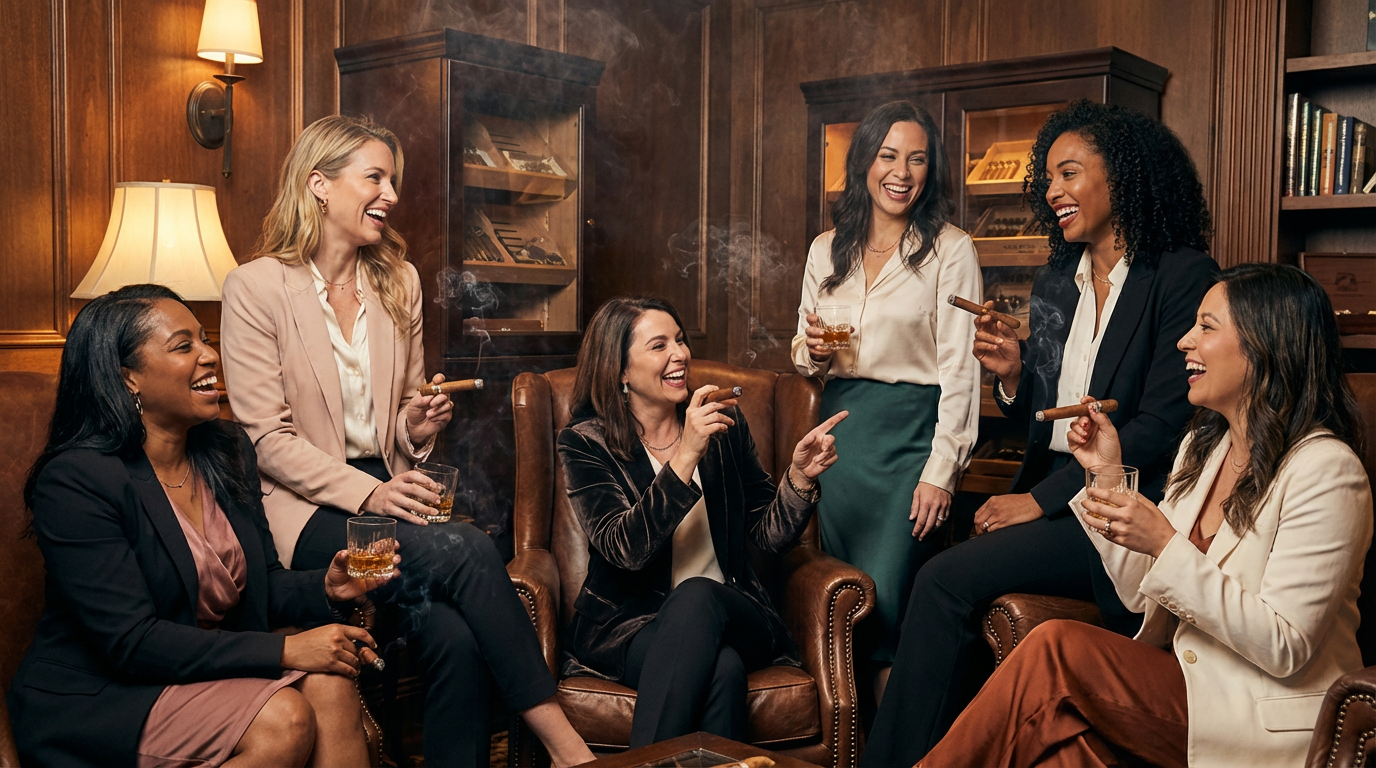
The Sisters of the Leaf (SOTL) Global Movement represents an innovative institutional response to historical marginalization of women in cigar spaces, creating dedicated community infrastructure specifically designed to support female cigar enthusiasts and foster meaningful connections among women sharing passion for cigars.
Women-Centric Events and Educational Initiatives:
The expansion of women-focused events and educational initiatives reflects broader industry recognition that female consumers require specific information and marketing approaches to navigate cigar culture successfully.
Challenges, Barriers, and Industry Obstacles
Health Concerns and Regulatory Constraints:
Growing health awareness continues to restrain the cigar for women market, with 38% of potential female consumers citing health concerns as their primary deterrent to cigar consumption.
Gender Discrimination and Workplace Culture:
Historical accounts and contemporary reporting reveal persistent patterns of gender discrimination and exclusionary workplace culture within segments of the cigar industry, despite overall industry trend toward greater inclusion.
Socioeconomic Disparities in Access and Consumption:
Analysis of non-premium cigar use among women reveals concerning patterns of socioeconomic disparity, with non-premium cigar users significantly more likely to be younger, unmarried, and financially unstable compared to premium consumers.
Notable Women Leaders and Influencers Shaping Industry Direction
Master Blenders and Technical Innovators:
The contributions of women master blenders extend beyond production management into intellectual leadership regarding cigar development philosophy and quality standards.
Social Media Influencers and Content Creators:
Female content creators have become increasingly influential in shaping contemporary cigar culture through social media platforms enabling direct consumer engagement and perspective dissemination without traditional media gatekeepers filtering their messages.
Best Practices and Emerging Strategies for Market Development
Product Innovation and Differentiation:
Leading manufacturers have implemented sophisticated product development strategies specifically targeting female consumer preferences while maintaining premium quality standards. Innovations including slimmer vitolas accommodating different hand sizes and smoking preferences, elegant packaging emphasizing aesthetic appeal and gift.
The Future is Female (and Full of Flavor)

The cigar industry is undergoing a profound transformation, driven by the passion, innovation, and entrepreneurial spirit of women. From master blenders crafting exquisite blends to social media influencers building vibrant communities, women are reshaping the culture of cigars and creating a more inclusive and welcoming space for all.
Call to Action:
Ladies: Explore the world of cigars! Visit a local lounge, connect with the Sisters of the Leaf, and discover the perfect smoke for your palate.
Industry Professionals: Embrace diversity and inclusion. Support women-led brands, create welcoming spaces, and listen to the voices of female consumers.
Everyone: Share this article and help spread the word about the incredible contributions of women in the cigar industry!
The future of cigars is bright, and it's being lit by women. Let's raise a cigar (or a glass of something equally delightful) to their success!
