
Top Cigar Regions of the World: A Smoker's Guide to Global Tobacco Excellence
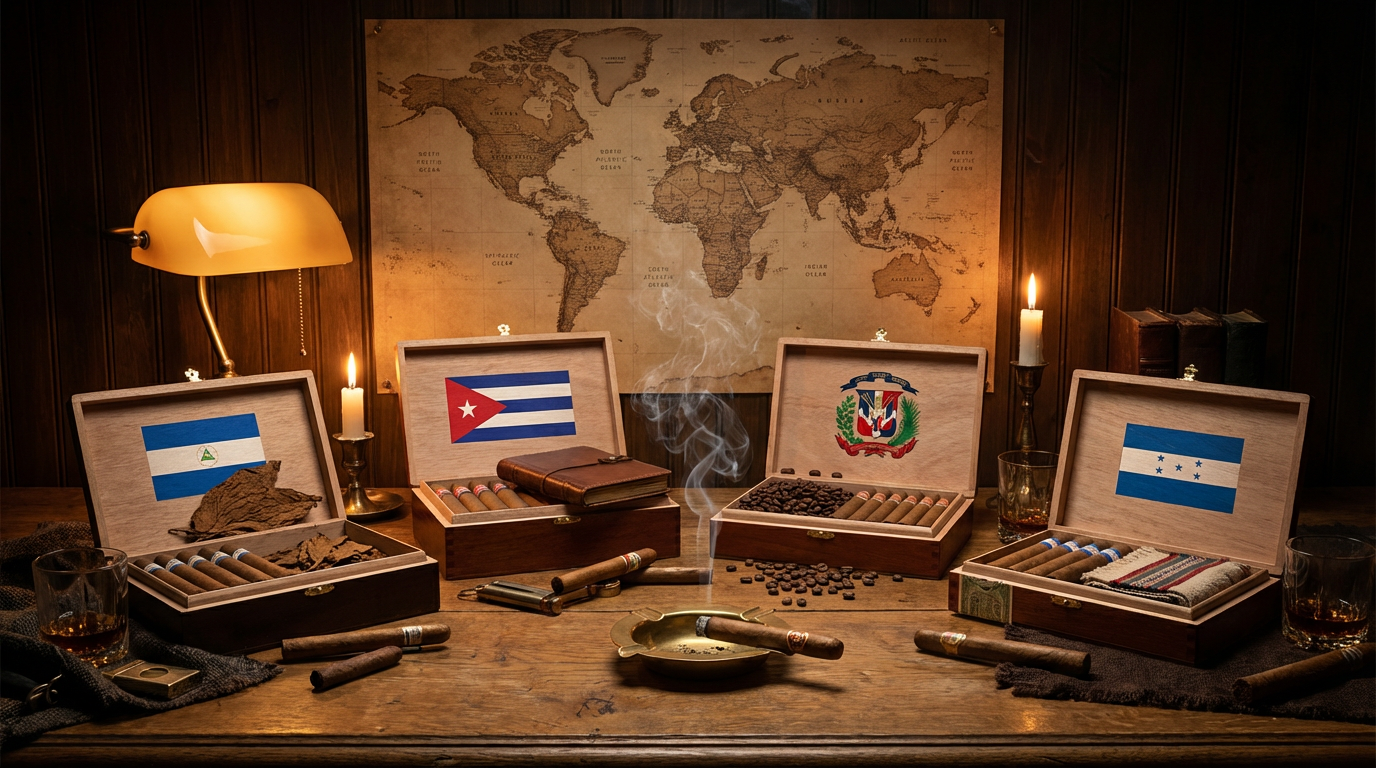
Welcome, fellow aficionados! As cigar enthusiasts, we know that each puff tells a story – a story of tradition, terroir, and the meticulous craftsmanship that transforms humble tobacco leaves into moments of pure pleasure. On this fine day we're embarking on a global journey to explore the top cigar regions of the world. Forget the mundane; we're diving deep into the heart of premium tobacco cultivation, uncovering the secrets behind the world's most coveted cigars. Whether you're a seasoned smoker or just starting your cigar adventure, this guide will provide you with the knowledge to appreciate the nuances of each region and select your next smoke with confidence.
The premium cigar industry is booming! Valued at approximately USD 57.68 billion in 2025, projections show it's set to reach a staggering USD 115.32 billion by 2035. This explosive growth is reshaping the cigar landscape, with certain regions rising to the top. Let's explore these powerhouses and some exciting newcomers!
Nicaragua: The Undisputed King of Contemporary Cigars
Nicaragua has risen to become the undisputed leader in global cigar production. This transformation is one of the most compelling stories in the cigar world. It now supplies nearly three-fifths of all premium handmade cigars imported into the United States. This isn't just about quantity; it's about quality, innovation, and a relentless commitment to producing exceptional tobacco.
The numbers speak for themselves. In the first half of 2025, Nicaraguan shipments reached an impressive 123.5 million cigars, a 2.8% increase over the same period in 2024. By the end of Q3 2025, that number had climbed to 190.4 million, a 2.1% increase year-over-year. These figures highlight Nicaragua's consistent growth and its crucial role in the global premium cigar supply chain.
A History Forged in Fire: Nicaragua's rise wasn't immediate. Following the Cuban Revolution in 1959, experienced Cuban tobacco farmers sought new lands to continue their craft. Nicaragua, with its ideal climate, volcanic soil, and proximity to Cuba, became a natural destination. However, it wasn't until the 1990s that significant commercial investment and infrastructure development truly took hold, setting the stage for Nicaragua's meteoric rise.
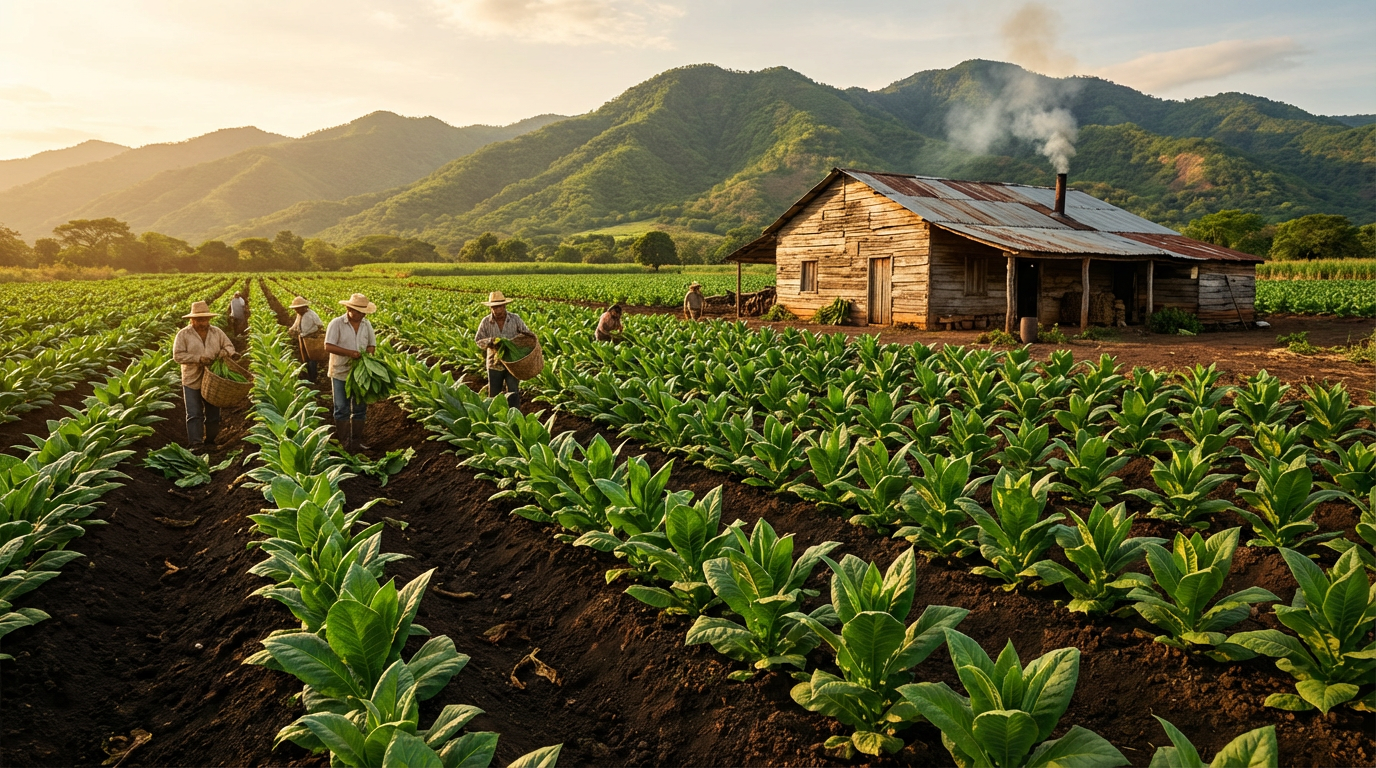
Estelí: The Epicenter of Nicaraguan Cigar Culture: Located in the northwestern part of Nicaragua, near the Honduran border, Estelí is the heart and soul of Nicaraguan cigar production. This mountainous region is synonymous with Nicaraguan cigars, housing the majority of the country's manufacturing operations. Estelí's tobacco is renowned for its strength, rich flavor, and complexity.
The Secret is in the Soil: The volcanic soil surrounding Estelí is incredibly fertile, enriched with minerals that impart unique qualities to the tobacco plants. This jet-black soil produces thick leaves with pronounced flavor intensity. This mineral-rich terroir has solidified Estelí's reputation as a producer of bold, complex tobaccos for experienced smokers seeking full-bodied experiences.
Flavor Profile: Expect earthy undertones, spicy notes, leather, cayenne spice, espresso bean, and dark chocolate notes. Brands like Oliva, Padron, and Plasencia, all with significant operations in Estelí, demonstrate the region's importance.
Beyond Estelí: Jalapa Valley and Condega: Nicaragua's tobacco diversity extends beyond Estelí.
Jalapa Valley: Northeast of Estelí, this remote valley produces exceptionally high-quality tobacco. Known for its creamier leaves, Jalapa Valley tobacco is often used as wrappers, balancing the boldness of Estelí fillers.
Condega: Located north of Estelí, Condega's soil yields powerful yet sweet tobaccos with a thinner leaf texture. This makes Condega tobacco valuable for adding sweetness and refinement to full-bodied cigars.
Industry Growth and Market Dynamics: Nicaragua's cigar industry thrives on quality and a business-friendly environment. In 2024, Nicaragua shipped 258.4 million premium cigars to the U.S., a 2% increase from 2023. While seemingly modest, this growth, on top of already dominating 60% of the American market, demonstrates the region's sustainability.
A Word on Tariffs: In March 2025, Nicaraguan handmade cigar imports surged by 29% following the announcement of "Liberation Day" tariffs. This highlights how trade policies can create short-term demand surges, even if they threaten long-term market stability. Despite this, the market remains resilient, with 2025 on track to be the fifth consecutive year with over 400 million handmade cigar imports.
Honduras: The Rising Tiger of Central American Cigars
Honduras holds the third position among cigar-producing nations supplying the American market, but its growth suggests it may challenge the Dominican Republic for the second-largest exporter spot. In the first half of 2025, Honduras exported 34.1 million premium cigars to the U.S., a remarkable 12.1% increase compared to 2024. This double-digit growth outpaced both Nicaragua and the Dominican Republic. By the end of Q3 2025, shipments reached 55.5 million, a dramatic 14.8% gain. Honduras is actively expanding its market presence through strategic investments in production and quality control.
Honduras accounts for approximately 17% of all premium handmade cigars imported into the U.S. This growth trajectory and production capabilities suggest that Honduras' influence will continue to increase in the coming years.
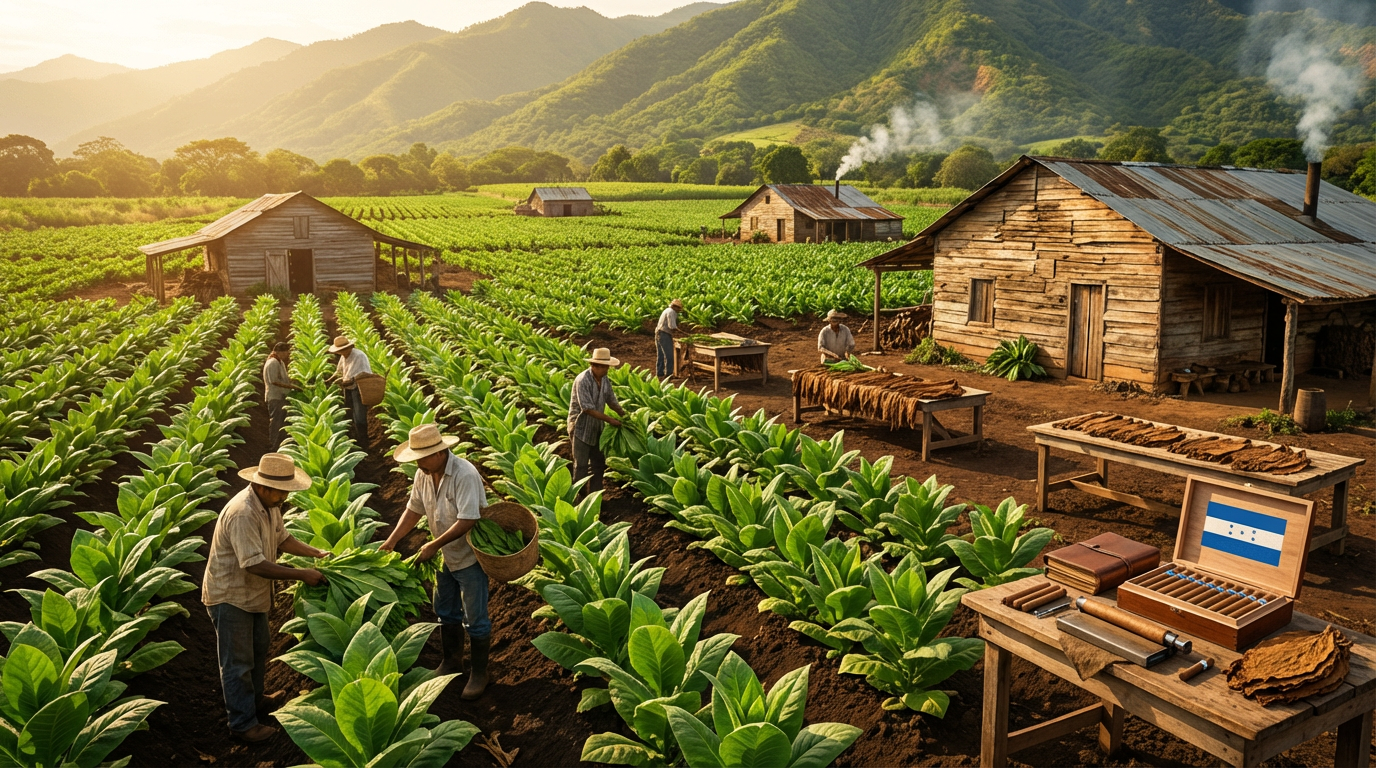
Danlí and the Jamastran Valley: Honduras's Tobacco Heartland: The Jamastran Valley, in southeastern Honduras, is the heart of Honduran cigar tobacco production. Its potential was recognized in the early 20th century, and it gained international recognition for its unique, bold tobacco. Cuban immigrants, fleeing the Castro regime, also played a crucial role in developing Honduran tobacco cultivation.
Danlí: A Hub of Tradition and Innovation: The town of Danlí is a major center for both tobacco cultivation and cigar manufacturing. Danli Honduras Cigars exemplifies the commitment to quality and tradition, releasing unique blends that cater to diverse preferences. The region's fertile soil, enriched by mineral deposits and volcanic history, provides ideal growing conditions.
Flavor Profile: Honduran tobacco is known for its "flinty" quality, with an upfront, earthy flavor. The Jamastran Valley's soil imparts a mineral quality. Honduran cigars are typically medium to full-bodied, offering a balance of earth and spice.
Honduran Tobacco Characteristics:
Earthy, Woody, and Spicy: Often combined with cocoa and coffee undertones.
Hearty Texture: Lends itself well to medium to full-bodied blends.
Dark, Rich Wrappers: Contribute notes of coffee and cocoa. The Gran Puro wrapper, for example, offers a medium-bodied flavor with earth and spice.
Camacho Cigars, known for full-bodied and spicy flavors, is a prime example of a brand built on Honduran tobacco expertise. The Camacho Corojo delivers a strong earthy flavor with coffee and pepper, while the Camacho Triple Maduro offers a rich, dark flavor with chocolate and espresso.
Sustainability and Production Standards: Honduran producers are increasingly emphasizing sustainability and ethical practices. Danli Honduras Cigars, for example, works with local farmers to ensure environmentally responsible tobacco growing. The handmade production process, employing experienced artisans, ensures consistency and quality.
The Dominican Republic: A Growing Cigar Hub with Global Reach
The Dominican Republic is a pillar of the global premium cigar industry, holding the second-largest market share of cigars exported to the U.S. and serving as home to numerous internationally recognized brands. In the first half of 2025, the Dominican Republic shipped 41.1 million cigars to the American market, a 4% increase compared to 2024. By the end of Q3 2025, shipments reached 69.9 million, a 3.8% increase. This steady growth reflects the stability of the Dominican Republic's established infrastructure.
The Dominican Republic accounts for 20.1% of all premium handmade cigars imported into the U.S. It has evolved into a global cigar manufacturing center, capable of supplying diverse market segments.
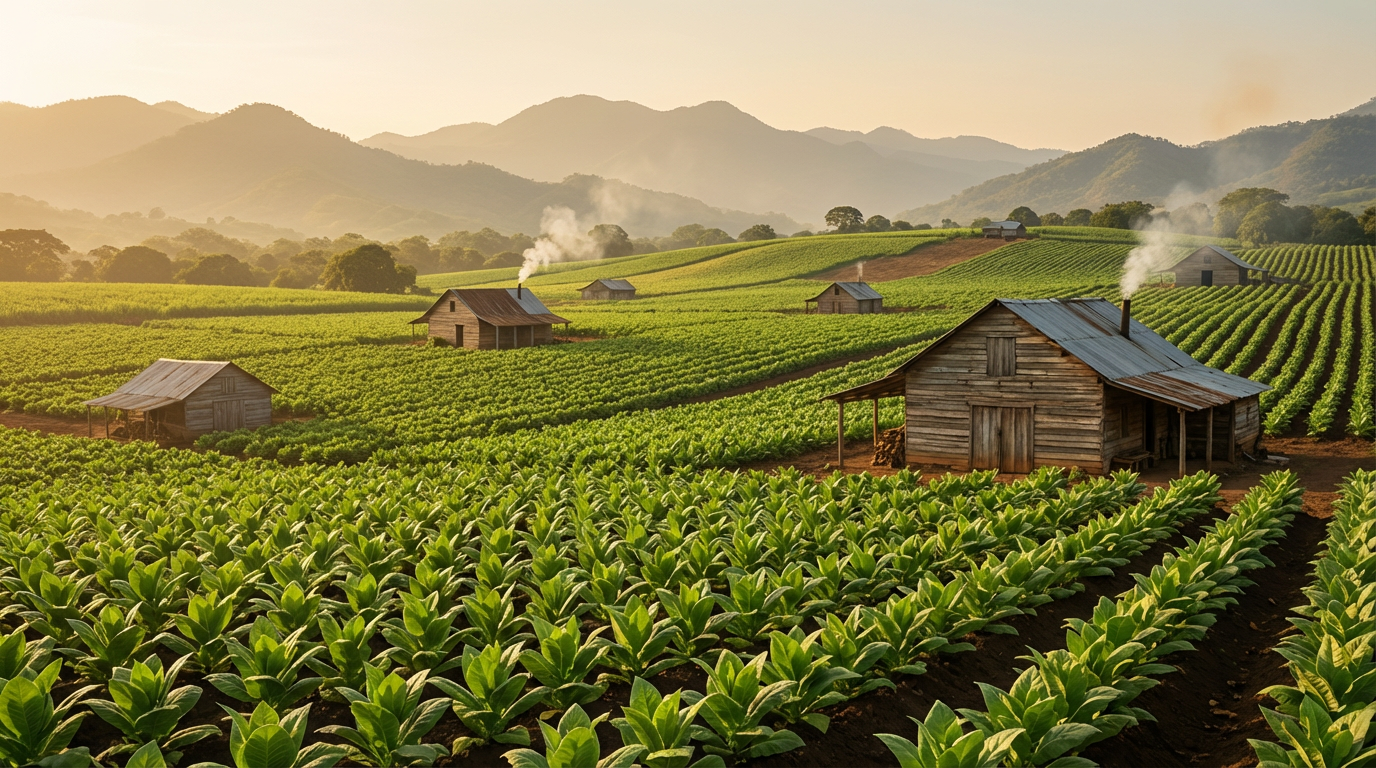
The Cibao Valley: Dominican Tobacco's Historic Heart: Located in the northwestern portion of the Dominican Republic, the Cibao Valley is the nation's premier tobacco-growing region. The Yaque Valley, a sub-region, is often compared to Cuba's Vuelta Abajo, making them two of the world's greatest locations for growing premium cigar tobacco.
Geography Matters: The Dominican Republic's prime tobacco-growing area begins near Santiago and extends northwest towards Esperance. The Yaque Valley, bordered by mountain ranges, creates a unique microclimate and soil composition. Approximately 15,650 acres are dedicated to tobacco plantings.
Regional Variations:
La Canela: Northwest of Villa Gonzalez, producing richer, more full-bodied tobacco.
Jacagua: Southwest of Villa Gonzalez, producing finer, more elegant tobacco.
Hendrik Kelner, owner of Tabacos Dominicanos S.A., describes the soil as "perfect for growing Cuban-seed filler". Emilio Reyes, an expert on Dominican tobacco, declared that "the Yaque Valley is growing some of the best tobacco in the world right now" after studying tobacco production in Cuba's Vuelta Abajo and Partido regions.
Dominican Tobacco Quality and Brand Heritage: The Dominican Republic's position as the world's largest cigar producer by volume reflects its extensive infrastructure, technical expertise, and the presence of numerous major international brands.
Flavor Profile: Dominican cigars are generally smoother than those from other regions, featuring subtle sweetness, creamy notes, and nutty tastes. This refined complexity makes them attractive to both newcomers and experienced aficionados.
The Dominican Republic's success also extends to sophisticated supply chain capabilities, attracting major international companies to establish manufacturing operations. Arturo Fuente, with its Fuente Fuente OpusX, exemplifies the exceptional quality achievable in the Dominican Republic.
Cuba: The Legendary Heritage
Cuba holds a unique and enduring position in global cigar culture, representing the historical origin of modern premium cigar production. Despite trade restrictions, Cuban cigars symbolize the highest standards of quality and prestige. The Vuelta Abajo region of Pinar del Rio province is widely recognized as producing the world's finest tobacco.
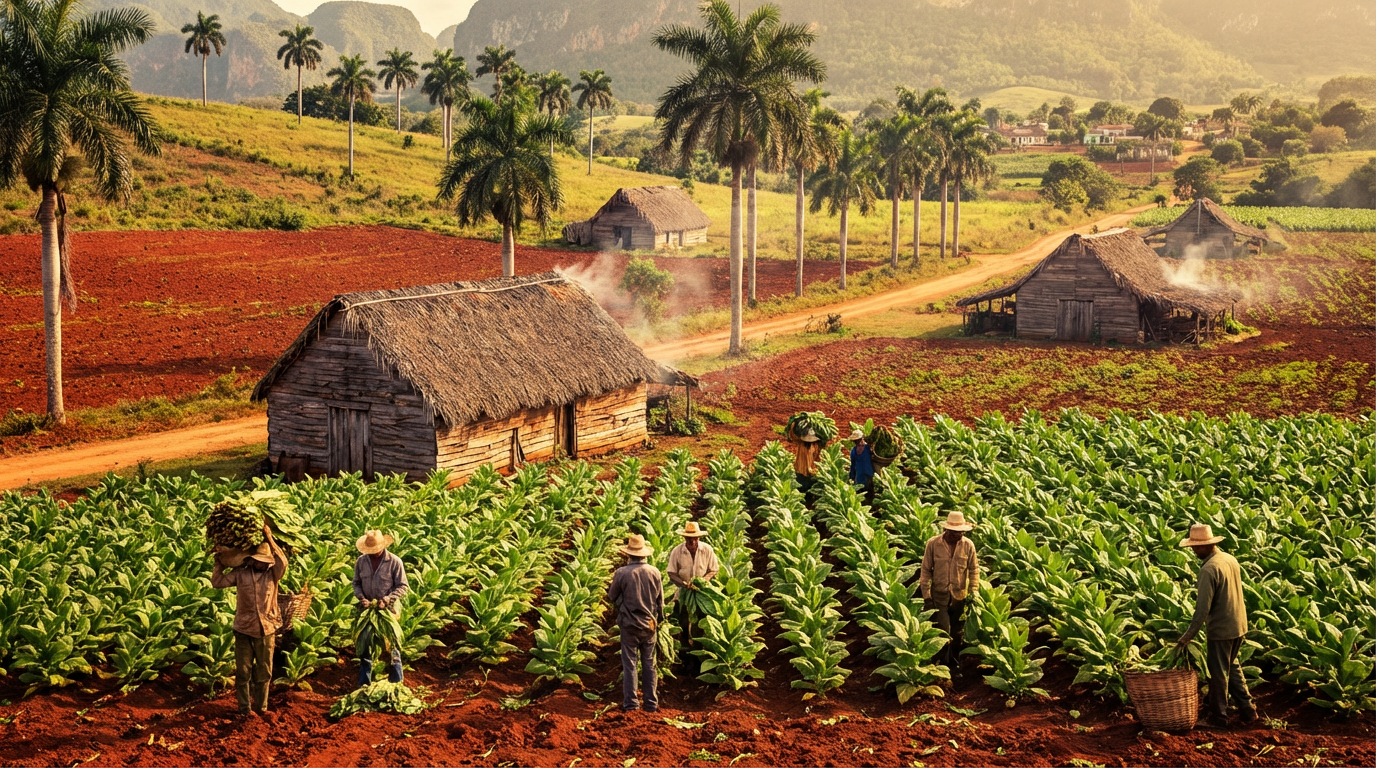
The Secret of Vuelta Abajo: The combination of fertile, red, mineral-rich soil and a humid climate results in tobacco that is full of flavor and strength. High levels of nitrates contribute to the distinctive flavor profile. Only about one-quarter of the Vuelta Abajo region is considered first-class for tobacco cultivation.
Geographic Organization:
Vega Vizcaino: Famous for its exceptional wrapper leaf production.
San Luis: The epicenter of tobacco culture, home to several famous plantations, including Vega El Corojo, the farm of the late Alejandro Robaina.
San Juan y Martínez: A center for binder and filler tobacco production. Home to the tapados plantation, the original production location for Hoyo de Monterrey cigars.
Quemado de Rubí: Home of Hector Luis Prieto, the youngest ever recipient of the Hombre Habano award.
The "Puro" Tradition: Cuban cigars adhere to the "puro" tradition, meaning they are made exclusively from tobacco grown in Cuba. They are celebrated for rich, full-bodied flavors and the pure expression of a single origin tobacco.
Flavor Profile: Earthy, woody, and nutty notes. Iconic brands include Cohiba, Montecristo, and Partagás.
The Cuban Embargo: Implemented in 1962, the embargo reshaped the global cigar industry. It prompted manufacturers and experts to establish operations in the Dominican Republic, Honduras, Nicaragua, and other Caribbean nations. Major brands carried their recipes and traditions across borders. The Dominican Republic blossomed into the world's largest exporter of cigars, while Nicaraguan and Honduran brands rose to prominence.
Contemporary Cuban Production: The Cuban government maintains ownership and control over tobacco as a state monopoly. Cigar farms must sell their production exclusively to the state.
Cuba announced ambitious production targets for 2025, aiming to produce over 80 million rolled cigars, with over 70 million designated for export. This represents a 17% increase compared to 2024 output.
Emerging Cigar Regions: New Frontiers
Beyond the dominant suppliers and Cuba, numerous other regions are emerging as significant contributors to global premium cigar production.
Costa Rica: Has emerged as a boutique grower of premium cigar leaf, establishing a distinctive niche. (Further research data needed to expand on this section).
Actionable Insights:
Explore New Regions: Don't limit yourself to the well-known regions. Emerging regions offer unique and exciting flavor profiles.
Understand Terroir: Learn about the soil, climate, and agricultural practices of each region to appreciate the nuances of their tobacco.
Support Sustainable Practices: Choose brands that prioritize sustainability and ethical production.
Experiment with Blends: Try cigars that blend tobaccos from different regions to experience complex and balanced flavors.
Conclusion:
The world of cigars is a fascinating tapestry woven with tradition, innovation, and the unique characteristics of each growing region. From the bold flavors of Nicaragua to the refined elegance of the Dominican Republic, and the legendary heritage of Cuba, there's a cigar out there for every palate. By understanding the nuances of each region, you can elevate your smoking experience and appreciate the artistry that goes into creating a truly exceptional cigar.
Call to Action:
What are your favorite cigar regions? Share your thoughts and recommendations in the comments below! And be sure to explore the diverse offerings from each of these regions to discover your next favorite smoke. Happy smoking!
