
New State, New Date, New Venue: The 2026 Rocky Mountain Cigar Festival and What to Expect
Alright, cigar aficionados, buckle up! The winds of change are blowing through the premium tobacco world. Forget what you thought you knew about the Rocky Mountain Cigar Festival (RMCF). This year, we're not just lighting up; we're lighting out…to Wyoming! That’s right, after seventeen glorious years in Colorado, the RMCF is packing its bags, grabbing its lighters, and heading to Cheyenne for a whole new experience.
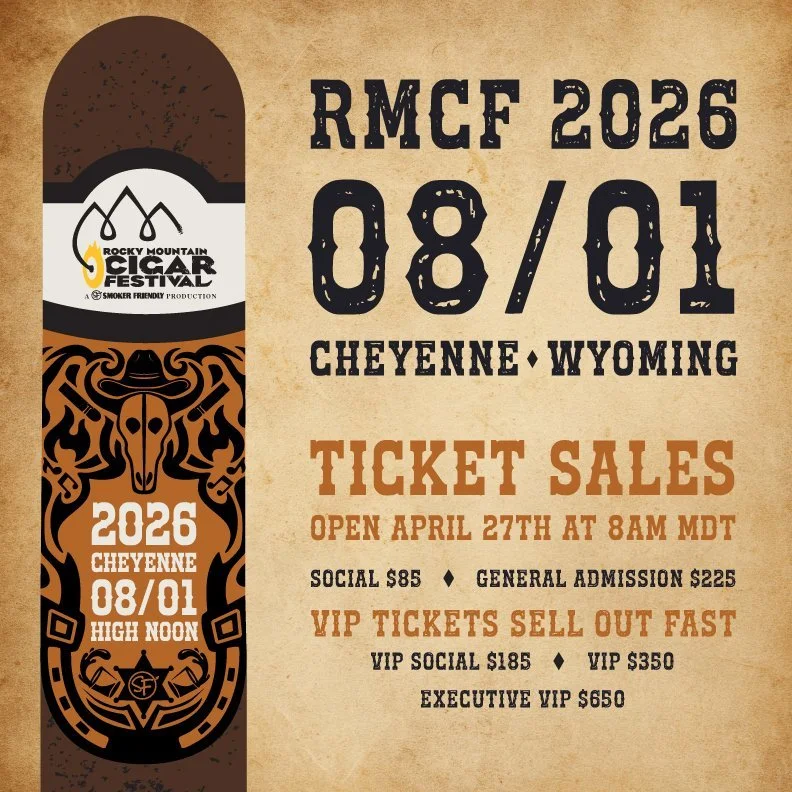
Get ready for the 2026 Rocky Mountain Cigar Festival, hitting Cheyenne, Wyoming, on August 1st, 2026, at the Little America Hotel & Resort. But this isn't just a change of scenery, it's a strategic power play that promises a better experience for everyone involved. And just before the RMCF kicks off, the Smoker Friendly Conference and Tobacco Festival (SFCTF) will be celebrating its 30th anniversary in the same location, July 30–31. Talk about a week of pure tobacco bliss!
So, what can you expect from this bold move? Let's dive in and explore the new venue, the new date, the new state, and most importantly, why Wyoming is about to become the ultimate destination for premium cigar enthusiasts.
Looking for tickets still available? Click the image above.
New Venue and New Date: Location, Location, Location!
Let's start with the basics: where and when. The 2026 RMCF is ditching the familiar Omni Interlocken Resort in Broomfield, Colorado, for the Little America Hotel & Resort in Cheyenne, Wyoming. Mark your calendars for August 1st, 2026.
Why the change? Well, the Little America Hotel & Resort isn't just any hotel. It's Wyoming's only resort property located in the state capital. Think of it as a luxurious oasis nestled at the crossroads of Interstate 80 and Interstate 25. This prime location makes it easily accessible for travelers coming from all over the Rocky Mountain region and beyond.
But it's not just about convenience. The Little America boasts resort-caliber amenities, including a nine-hole golf course, a full-service restaurant and lounge, a heated outdoor pool, retail shops, high-speed internet, a fitness center, and business facilities. In other words, everything you need for a weekend of relaxation, indulgence, and, of course, premium cigars. This all-in-one resort environment offers organizers greater control over the entire attendee’s experience and the ability to create a truly destination-level event.
Now, about that date change. Historically, the RMCF bounced around in August. By locking in August 1st, the organizers have created a brilliant back-to-back destination event. With the Smoker Friendly Conference and Tobacco Festival running July 30–31(not open to the public), you can turn a single trip into a full week of premium tobacco immersion. Retailers, distributors, manufacturers, and consumers can all converge in Cheyenne for an industry summit combined with a consumer celebration.
The change in date and venue also reflects the practical realities of event coordination and capacity management. The Rocky Mountain Cigar Festival typically attracts approximately 2,500 attendees and features over 100 vendors, creating a substantial logistical operation. By relocating to a dedicated resort property with integrated facilities, organizers have positioned themselves to manage this crowd more effectively while simultaneously offering superior amenities and integrated experiences compared to a traditional hotel event setup. The Little America's positioning as Wyoming's only resort in the capital city means it is specifically designed to accommodate large events and conventions, with dedicated event spaces, convention infrastructure, and hospitality expertise that a premium event of this caliber demands.
New State: Wyoming, the Wild West of Premium Cigars?
Okay, let's address the elephant in the room. Why Wyoming? For seventeen years, the RMCF has been synonymous with Colorado. So, why pack up and head to a state known for cowboys, wide-open spaces, and…well, not much else, at least in the minds of some city slickers?
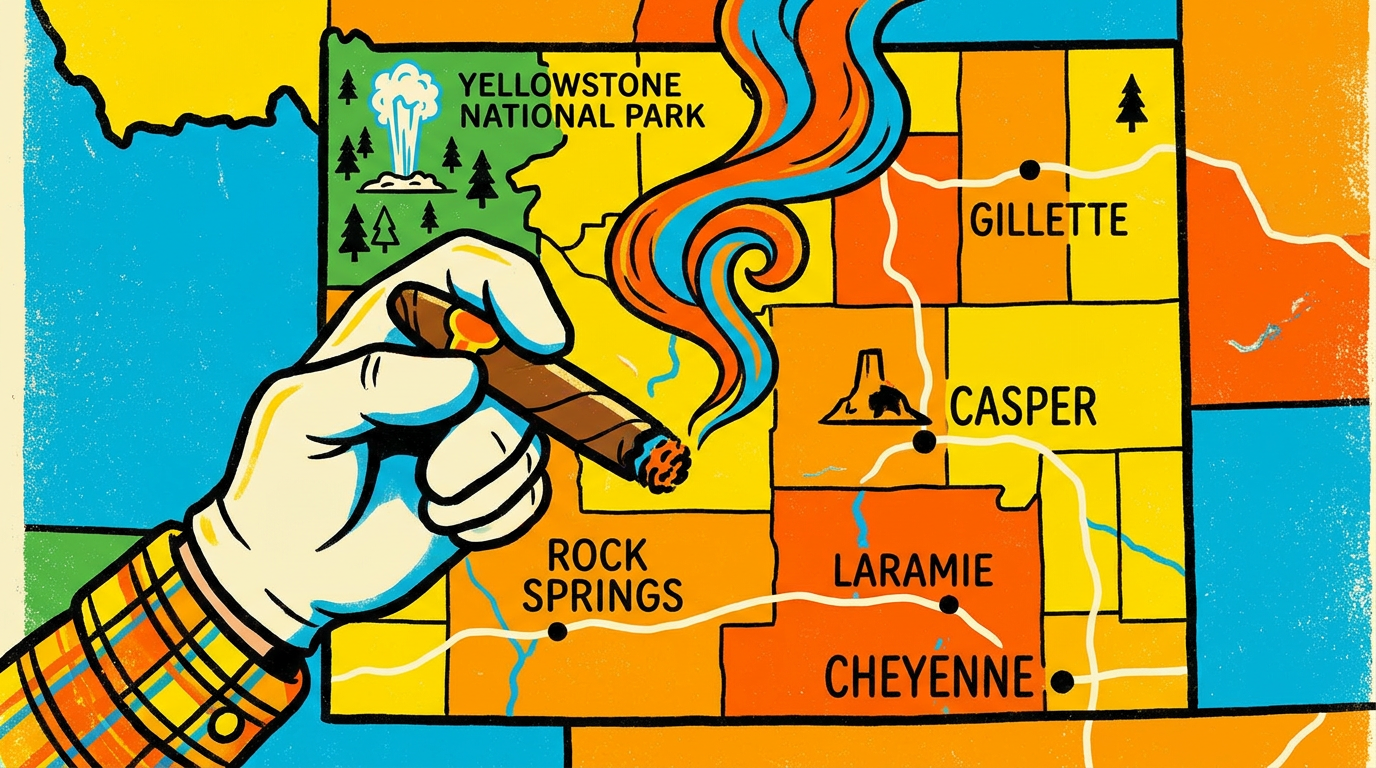
The answer, my friends, is simple: Wyoming is becoming a haven for the premium tobacco industry. This move isn't just a venue swap; it's a strategic geopolitical choice. The organizers have made a calculated decision that the advantages offered by Wyoming, particularly its business-friendly regulatory environment and its explicit commitment to supporting the tobacco industry, outweigh the established brand equity and tourism infrastructure of Colorado.
Wyoming, despite its sparse population of approximately 580,000 residents, has deliberately positioned itself as an attractive jurisdiction for businesses and industries that face regulatory headwinds in other states. The state's approach to tobacco regulation is notable for its comparative permissiveness relative to the increasingly restrictive regulatory frameworks that have become the norm across much of the United States. Unlike Colorado, which has progressively tightened its tobacco regulations and taxes over the past decade, Wyoming has maintained a more accommodating stance toward the tobacco industry while still maintaining federal compliance regarding age restrictions and basic retail regulations.
Why the Move to Wyoming? Follow the Money (and the Smoke)!
Let's get down to brass tacks. Why is Wyoming so attractive to the premium cigar industry? It all boils down to a few key factors: taxes, regulations, and a general attitude of "live and let smoke."
From a taxation perspective, Wyoming maintains relatively moderate tobacco tax rates compared to many other states. While specific cigar tax rates can vary based on product category, Wyoming's overall tobacco tax environment is materially less burdensome than neighboring Colorado's or nearby states like Utah, which imposes the highest premium cigar tax at 86 percent, while Colorado levies a 56 percent tax on premium cigars. Wyoming's ten-dollar annual license fee for tobacco retailers represents the kind of minimal regulatory burden that creates a favorable operational environment. These financial considerations matter substantially to retailers and manufacturers who are already operating within an industry facing declining overall consumption, making regulatory and tax efficiency increasingly critical to profitability.
Beyond taxation, the regulatory permissiveness regarding cigar-specific venues and retail environments makes Wyoming attractive. Wyoming's tobacco retail licensing framework is streamlined and accessible compared to many states, with a simple licensing process and minimal annual fees. This simplicity extends to the regulatory framework governing special events and product sampling, where Wyoming's approach is substantially more flexible than Colorado's increasingly restrictive posture. The state's regulatory environment reflects what industry advocates describe as a balanced approach—one that maintains federal compliance regarding age-of-sale restrictions and basic consumer protection standards while avoiding the kinds of aggressive anti-tobacco regulatory stances that have characterized other jurisdictions.
The strategic advantage of Wyoming's regulatory environment becomes particularly apparent when one considers the alternatives. States like California, New York, and Massachusetts have implemented increasingly stringent tobacco regulations, including strict advertising restrictions, onerous packaging requirements, and aggressive taxation that has made hosting major industry events in those jurisdictions economically irrational. Colorado, while less restrictive than these outliers, has progressively moved in a more restrictive direction, implementing various regulatory measures that have made the state's environment less hospitable to industry activities. Wyoming, by contrast, has maintained a steadfast pro-business approach that extends to the tobacco sector, positioning the state as a haven for industries facing regulatory challenges elsewhere.
More Favorable Smoking and Liquor Laws: A Smoker's Paradise?
Let's be honest, a cigar festival without the freedom to light up and enjoy a good drink is like a car without wheels. Fortunately, Wyoming understands this. The state's smoking and liquor laws create an ideal environment for an event like the RMCF.
Wyoming's smoking regulations present a marked contrast to Colorado's increasingly restrictive stance. Colorado's Clean Indoor Air Act, passed in 2006 and amended in 2013 and 2019, broadly prohibits smoking in most indoor areas throughout the state, with only limited exceptions for cigar bars and tobacco retail businesses that meet specific criteria. While Colorado does permit cigar bars under certain conditions, the regulatory requirements are onerous, requiring documented proof that a venue generates significant revenue from tobacco sales and maintains proper separation from nonsmoking areas. Wyoming's smoking regulations, by contrast, are substantially more accommodating. Wyoming's Clean Indoor Air Act maintains a more permissive framework that provides greater flexibility for tobacco-related events and venues. The state does require licensing for tobacco retailers and maintains federal age-of-sale restrictions requiring verification that purchasers are twenty-one years of age or older, but Wyoming's regulatory posture toward indoor smoking in premium cigar contexts is notably more flexible than Colorado's.
This regulatory difference has profound practical implications for an event like the Rocky Mountain Cigar Festival. A major premium cigar festival fundamentally requires an environment where cigar smoking can occur freely without triggering violations of clean indoor air regulations. While many premium cigar events attempt to navigate smoking restrictions through outdoor venues or specialized ventilated spaces, the regulatory flexibility in Wyoming allows event organizers to create an integrated indoor/outdoor experience with substantially fewer regulatory constraints than would be possible in Colorado. This translates directly to a superior attendee experience—greater flexibility in venue layout, the ability to accommodate larger crowds in partially enclosed spaces, and the absence of the regulatory nervousness that characterizes events operating at the edge of permissible indoor smoking regulations in more restrictive states.
Wyoming's regulatory framework governing alcoholic beverages presents a similarly advantageous environment compared to Colorado. The state maintains a straightforward licensing structure for venues and events serving alcohol, with less prescriptive regulations regarding on-premises consumption and entertainment combinations. Wyoming's alcohol licensing permits a straightforward licensing process for events serving beer, wine, and spirits, with various license types available for different venue types and occasion-specific needs. The state's regulatory approach does not impose the kinds of constraints that some states maintain regarding the combination of alcohol service with other activities like tobacco consumption or entertainment. This creates a permissive environment for comprehensive premium beverage experiences that integrate beer, wine, and spirits alongside cigar enjoyment—precisely the kind of integrated experience that premium cigar festivals are designed to provide.
Same Great Cigar Festival: What You Can Expect in 2026
Despite the change in location, the core of the Rocky Mountain Cigar Festival remains the same: a world-class celebration of premium cigars, exceptional beverages, gourmet food, and unforgettable experiences.
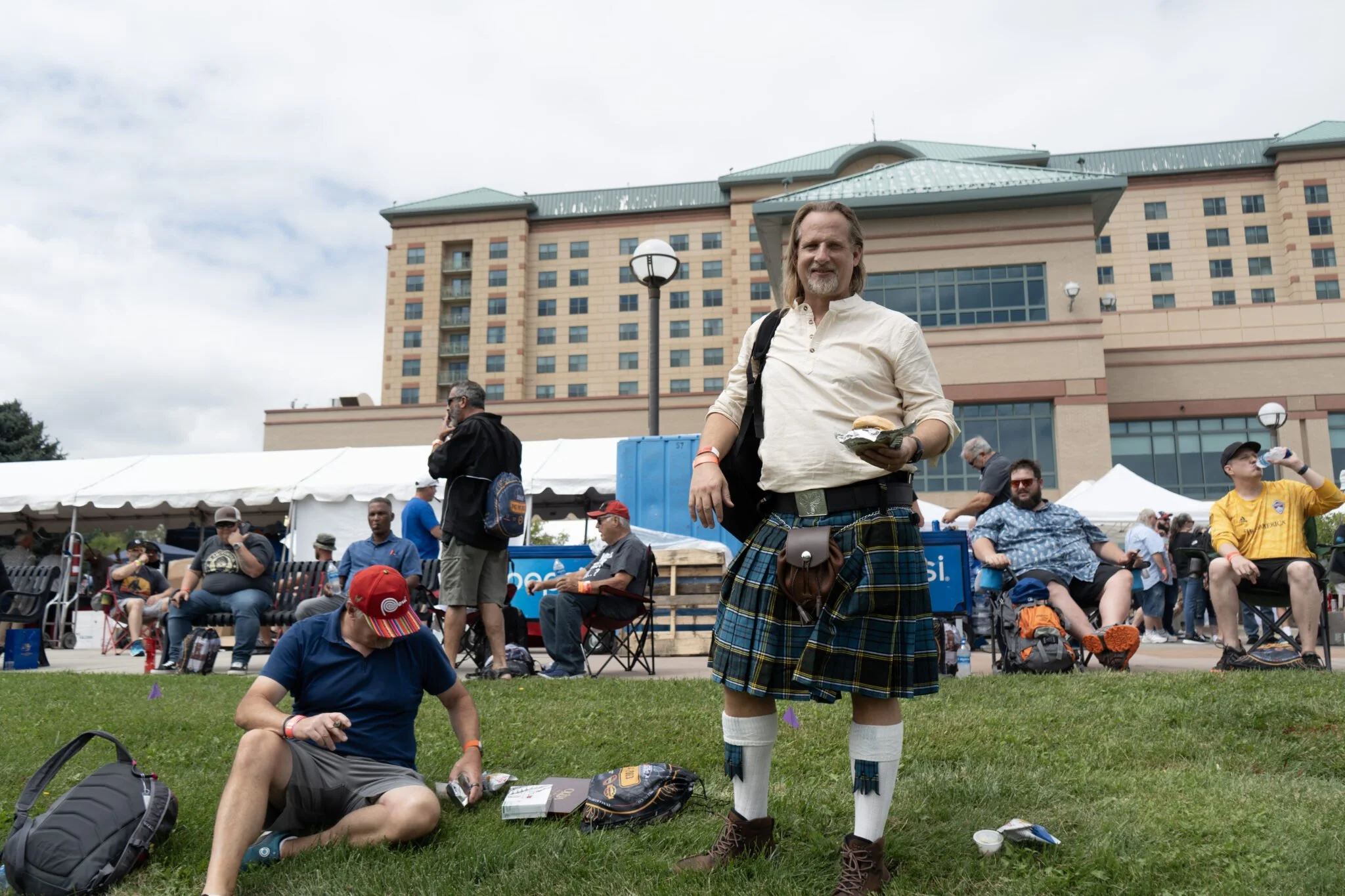
Expect approximately 2,500 cigar enthusiasts from across North America converging on the Little America Hotel in Cheyenne, creating an energetic, engaged community of premium cigar aficionados. The festival will feature over 100 vendors, including the industry's most prestigious and innovative cigar brands, renowned craft breweries, premium spirits producers, and lifestyle vendors that cater to sophisticated consumers interested in the finer things. This extraordinary concentration of premium product offerings—all in one venue, all under one roof—creates an unparalleled opportunity for attendees to sample, evaluate, and discuss the latest premium cigar releases, artisanal spirits, hand-crafted brews, and complementary products with the manufacturers and brand representatives who create them.
Photo Courtesy of RMCF
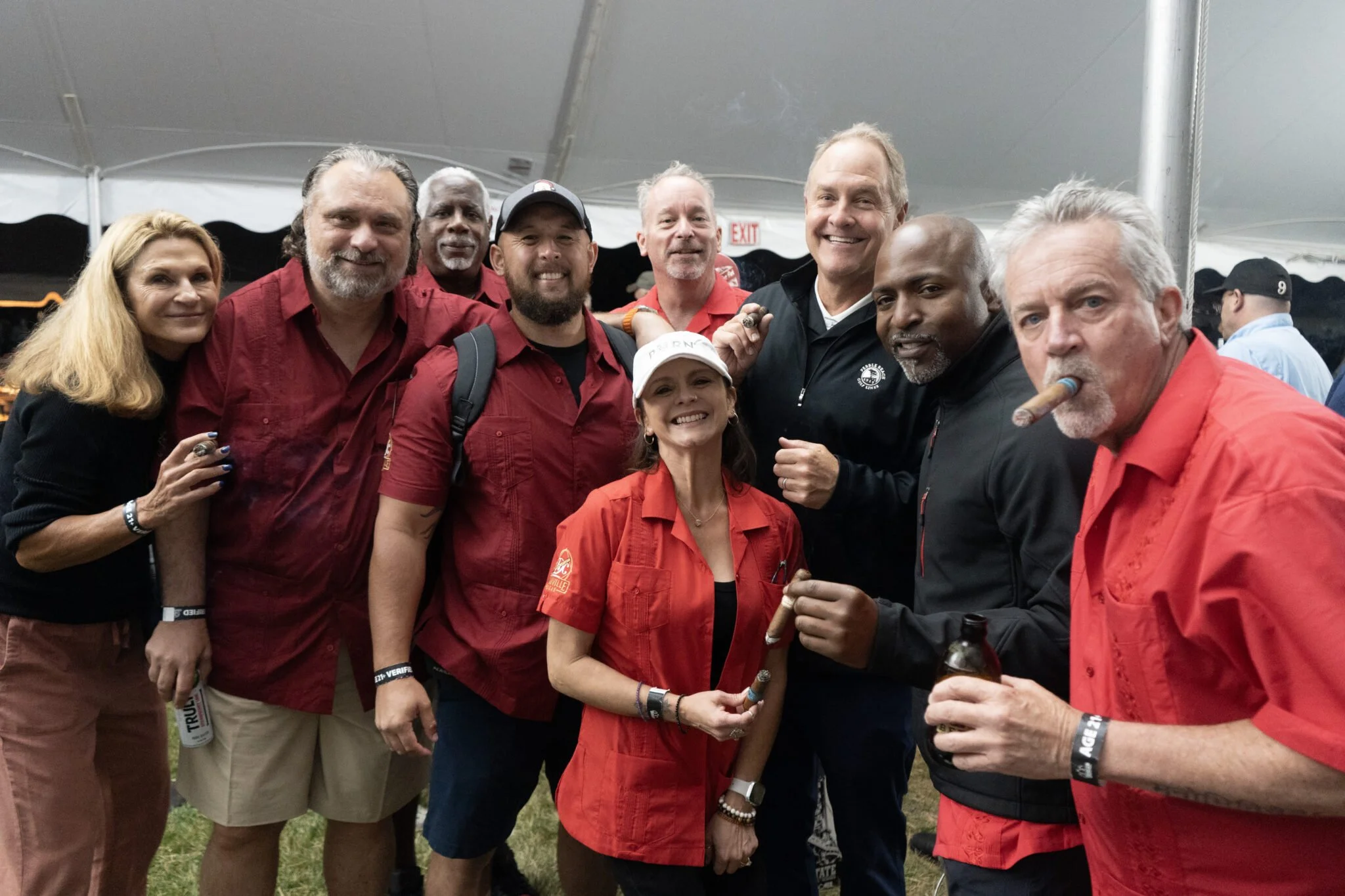
The festival ticket structure remains tiered to accommodate different preferences and budgets. Social tickets are priced at eighty-five dollars, providing basic admission and access to festival venues and vendors. General admission is priced at two hundred twenty-five dollars, which includes premium cigar samples and festival-branded promotional items such as lighters, cutters, and festival t-shirts. VIP Social tickets (Sold Out for 2026) are available for one hundred eighty-five dollars, while full VIP admission (Sold Out for 2026) is priced at three hundred fifty dollars and includes early entry to the festival, access to a dedicated VIP area, and a substantially larger allocation of cigar samples and promotional merchandise. For the most dedicated enthusiasts and industry professionals, Executive VIP tickets (Sold Out for 2026) priced at six hundred fifty dollars offer the ultimate experience, including premium perks and exclusive access. Crucially, VIP tickets are historically limited and tend to sell out rapidly, with organizers typically capping the number available to maintain the exclusivity and quality of the VIP experience.
Photo Courtesy of RMCF
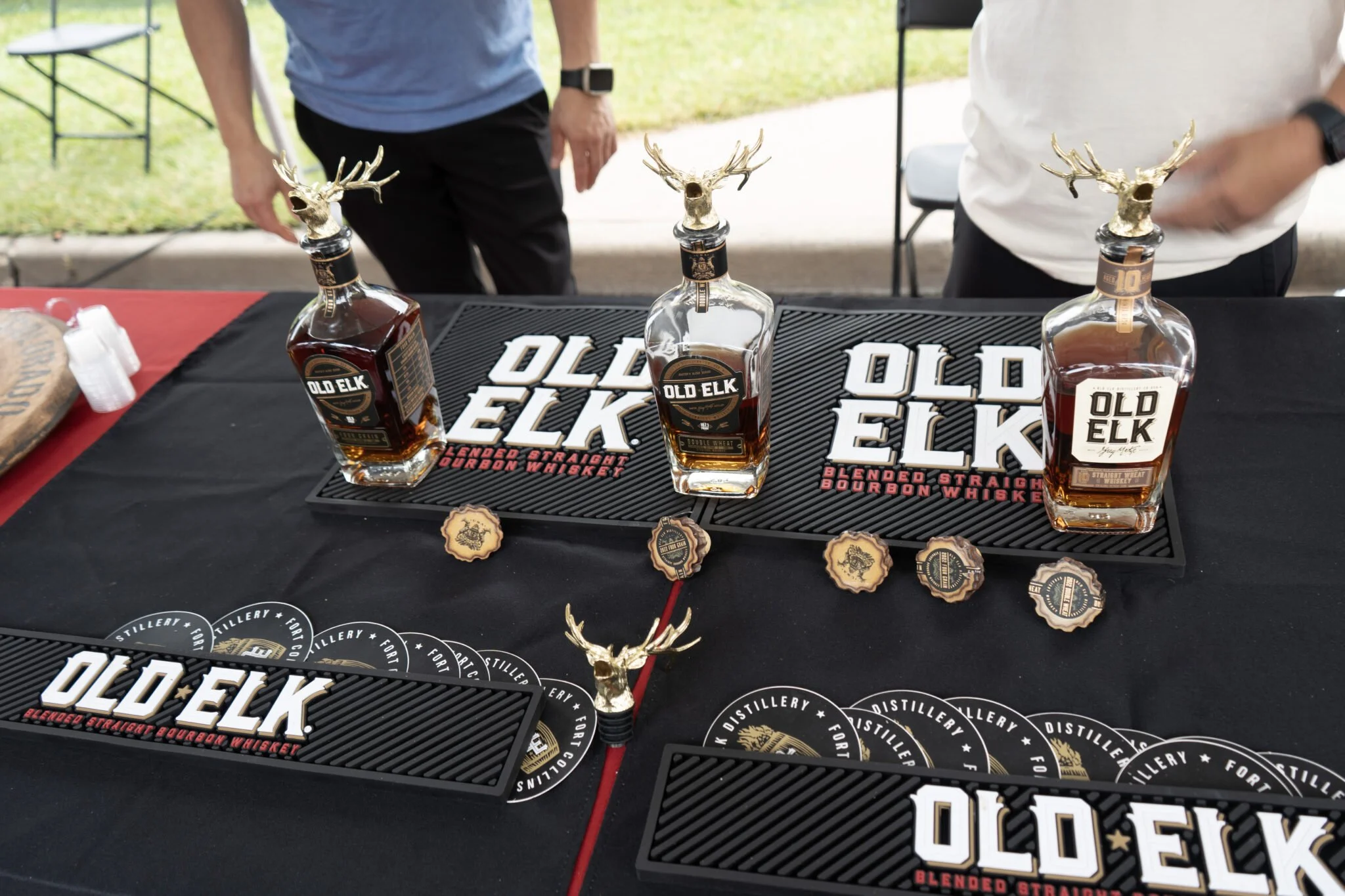
The festival experience extends beyond cigar sampling to encompass a comprehensive culinary and beverage program. The Rocky Mountain Cigar Festival includes lunch as part of the admission package, sourced from the resort's restaurant operations and designed to complement the cigar experience. Additionally, the festival features hand-crafted brews from regional craft breweries, premium wines, and distinguished spirits from artisanal and established distilleries, creating opportunities for attendees to explore beverage pairings and discover new favorites. Live entertainment is a consistent feature, with the festival typically hosting bands that provide ambiance throughout the event duration. The resort setting also provides access to other amenities—billiards, golf, resort dining, and comfortable spaces for conversation and networking—allowing attendees to structure their festival experience across multiple environments and activity types.
Photo Courtesy of RMCF
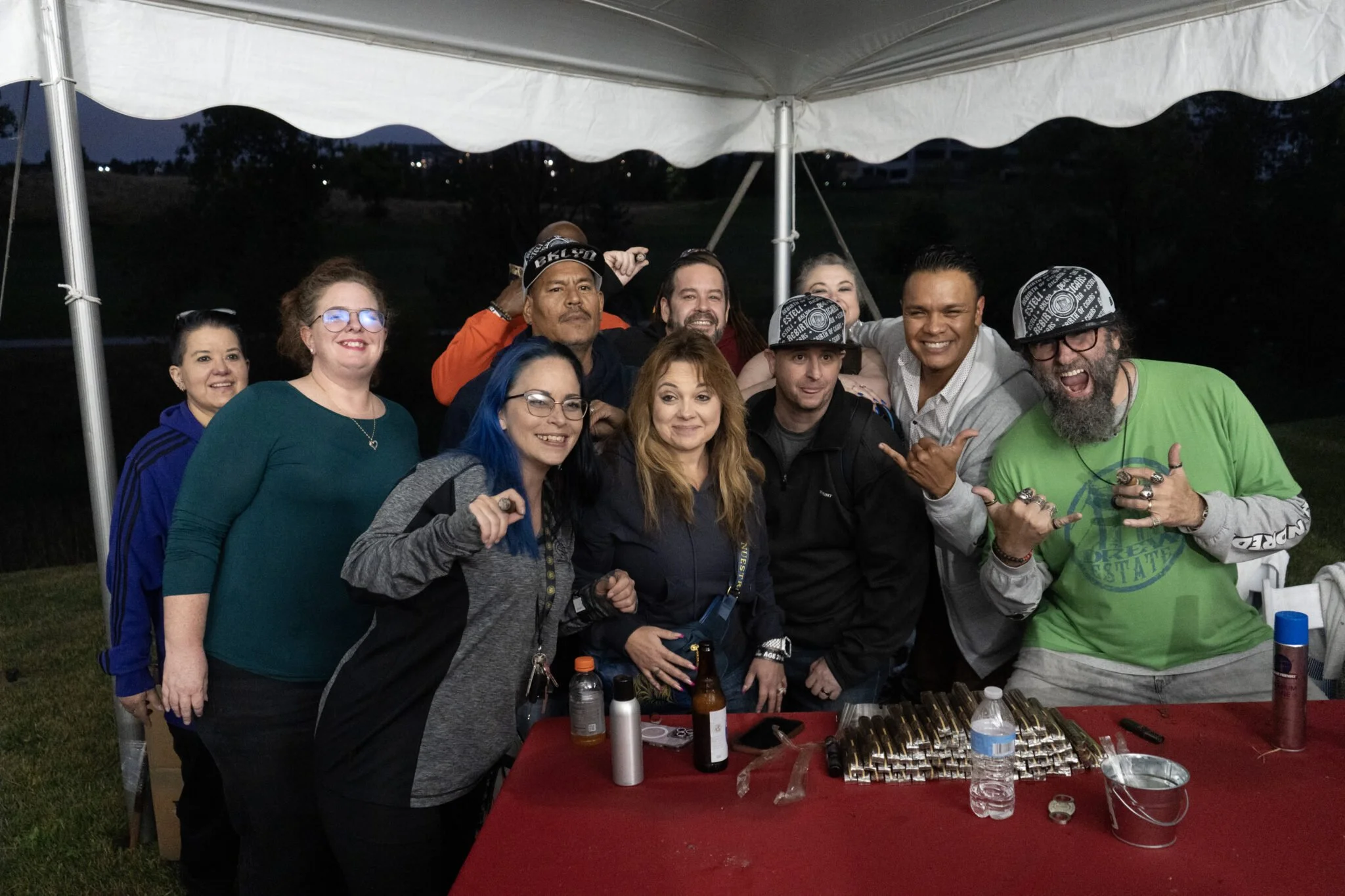
The festival opening times have been adjusted to accommodate the new venue and organizational structure. The 2026 festival will run from 11 AM to 6 PM for VIP attendees, providing early access to premium cigar offerings and reduced crowds during the premium early-access window. General admission attendees will have access from 12 PM to 6 PM, providing a full five-hour experience with access to the complete vendor offerings, cigar samples, beverages, food, and entertainment. This timing structure allows organizers to create a premium early experience for VIP attendees while maintaining a generous general admission window for broader participation.
Photo Courtesy of RMCF
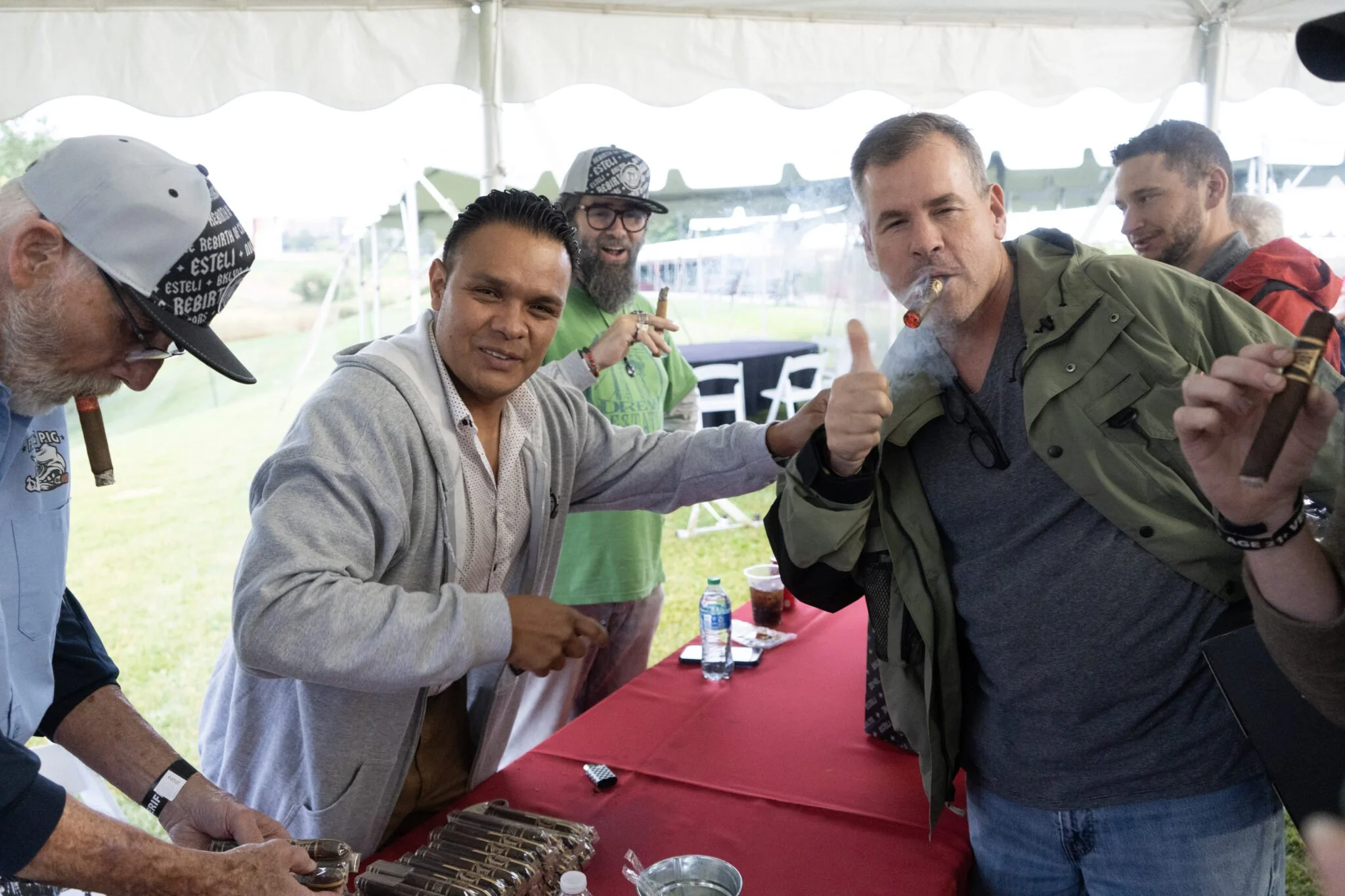
Critically, the festival maintains its age restriction, remaining exclusively for attendees twenty-one years of age and older, in full compliance with federal tobacco regulations that establish twenty-one as the minimum age for tobacco product purchases. The event operates rain or shine, with the resort's comprehensive indoor and outdoor facilities allowing the festival to proceed regardless of weather conditions. This commitment to indoor/outdoor functionality is substantially enhanced compared to the previous Colorado venue due to the resort's integrated design and climate-controlled spaces.
Photo Courtesy of RMCF
Rocky Mountain Cigar Festival: A Storied Past, a Bright Future
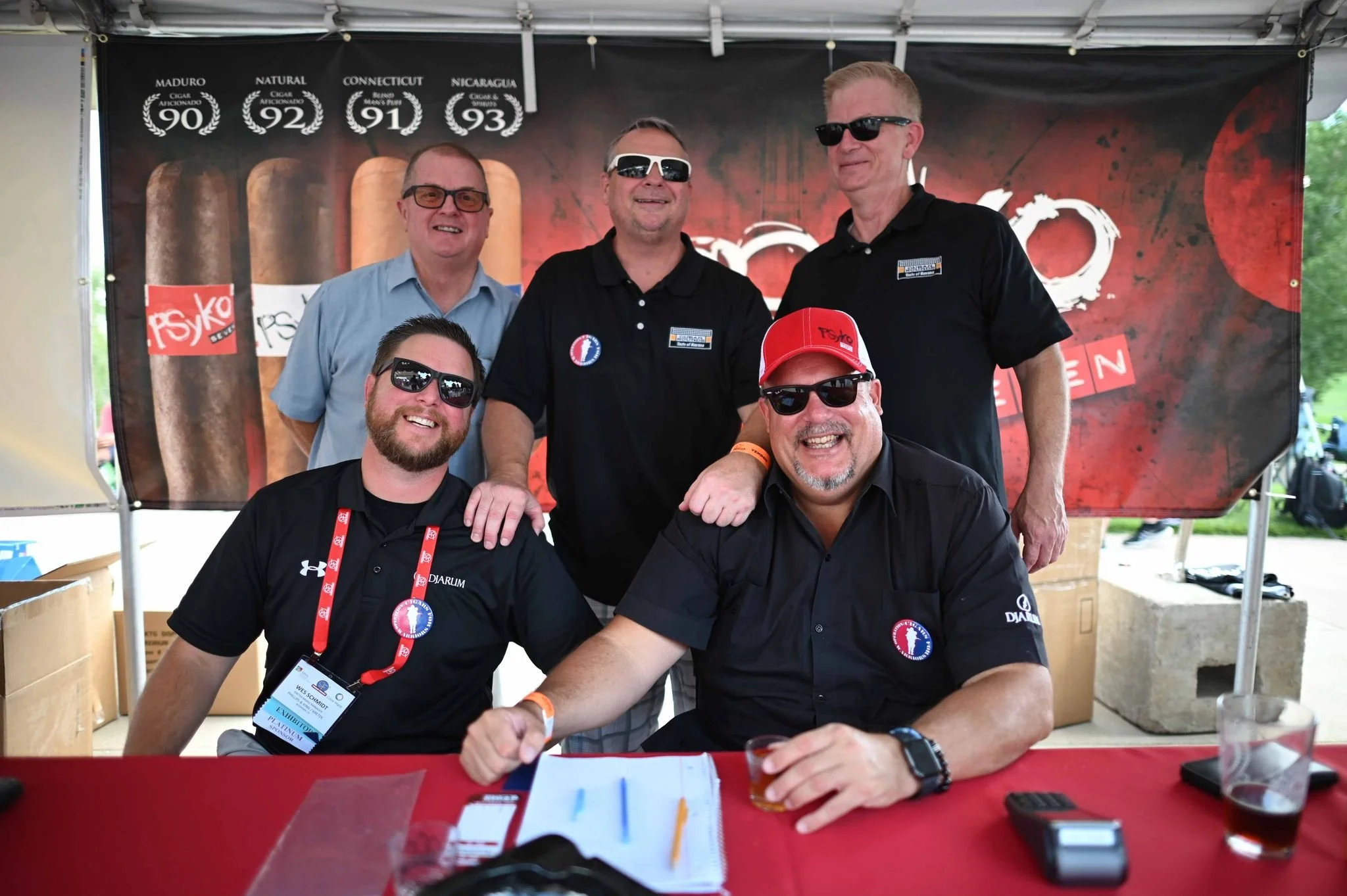
The Rocky Mountain Cigar Festival was created by Smoker Friendly International to serve as a dedicated consumer event celebrating premium cigars while providing manufacturers, retailers, and distributors with a direct engagement platform. Unlike industry trade shows such as the Premium Cigar Association convention, which are restricted to industry professionals and retailers, the RMCF was deliberately designed as a consumer festival welcoming cigar aficionados regardless of their professional standing. This positioning has made the festival a unique and valuable venue for cigar companies seeking direct consumer engagement, brand building, and product feedback.
Photo Courtesy of RMCF
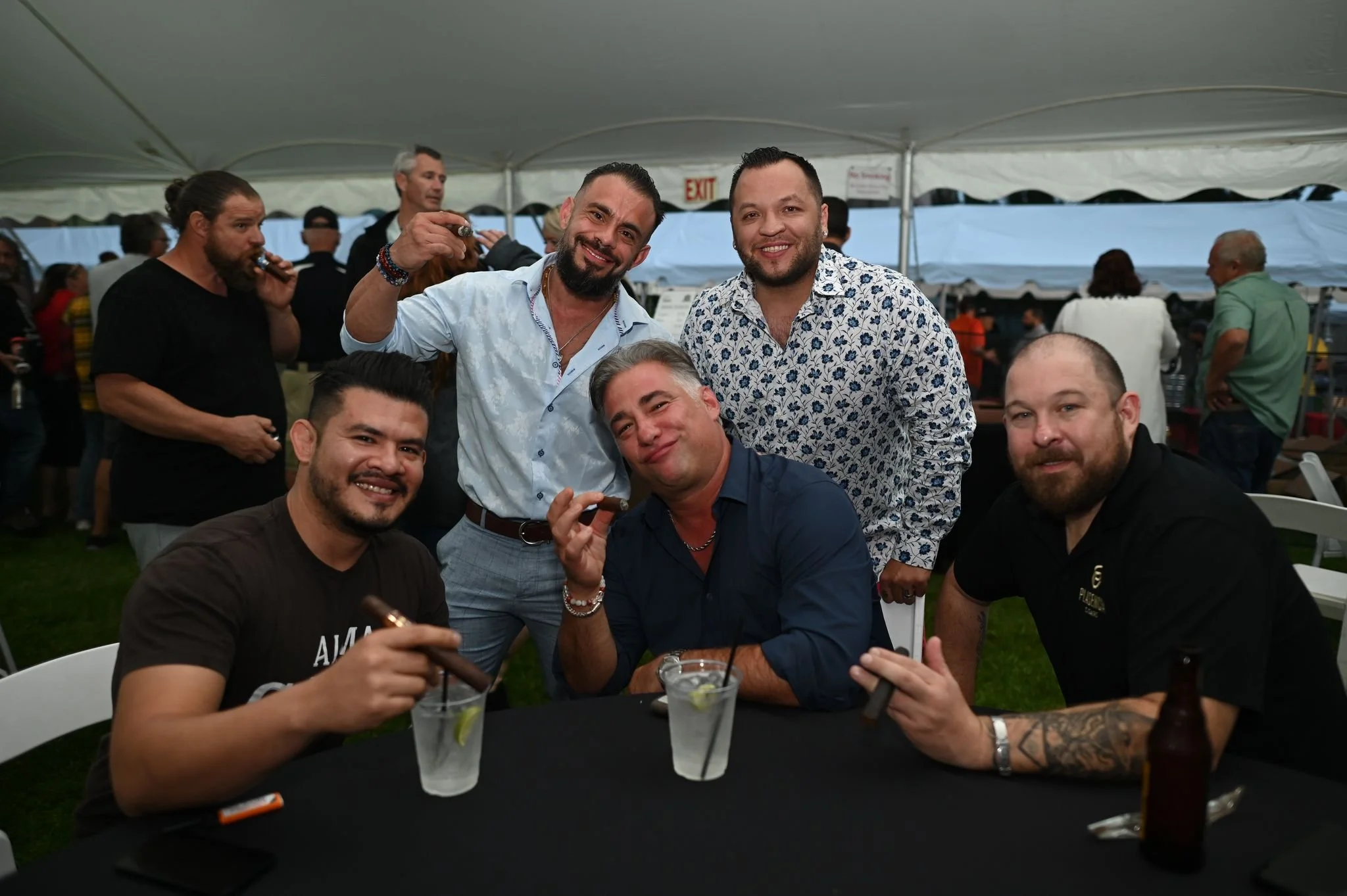
The festival's Colorado home in Broomfield proved highly successful for over sixteen years, establishing the event as a fixture on the premium cigar calendar and creating strong brand equity in that location. The established Colorado venue featured the prestigious Omni Interlocken Resort, which provided excellent accommodation, dining, entertainment, and event facilities. The Colorado location benefited from strong regional tourism branding and accessibility from throughout the Rocky Mountain West. Thousands of dedicated cigar enthusiasts made annual pilgrimages to Broomfield for what had become a signature summer festival experience.
Photo Courtesy of RMCF
However, the event's scale, reputation, and industry significance have continued to expand even as the broader regulatory environment in Colorado has become progressively more challenging for the tobacco industry. The decision to relocate reflects the organizers' recognition that the festival's strategic importance to the industry—its function as a critical meeting point for manufacturers, retailers, and consumers—justifies establishing the event in a jurisdiction offering superior regulatory conditions, even if it requires relocating away from an established, successful venue.
Photo Courtesy of RMCF
The festival serves multiple critical functions within the industry ecosystem. For manufacturers and brands, the festival provides an unparalleled opportunity for direct consumer engagement, product feedback, and brand visibility. Many brands use the festival to launch new products, conduct consumer testing of potential releases, and engage directly with dedicated enthusiasts who represent opinion leaders within the broader cigar community. For retailers, the festival provides networking opportunities with manufacturers, opportunities to discover new products and brands for retail offering, and the chance to engage with consumers to understand preferences and trends. For consumers, the festival offers an experience unavailable in most retail contexts, access to multiple premium cigar brands simultaneously, opportunities to sample products before making purchase decisions, and engagement with the industry's most influential personalities.
Photo Courtesy of RMCF
The festival also functions as an important venue for industry discussion of regulatory challenges, product trends, and strategic issues affecting the premium cigar sector. In an industry facing increasingly aggressive regulatory pressure from federal agencies and state governments, events like the RMCF provide invaluable opportunities for stakeholders to convene, share information, and coordinate advocacy responses to regulatory threats. The informal networking that occurs at the festival often proves as valuable as the official programming, with industry leaders, retailers, and enthusiasts engaged in substantive conversations about industry challenges and opportunities.
Meet Greg Perry from Beyond the Humidor and Tommy Elledge from the Idaho Cigar Cartel!
Adding even more excitement to the 2026 RMCF is the presence of two influential figures in the cigar media world: Greg Perry from the Beyond the Humidor podcast and Tommy Elledge from the Idaho Cigar Cartel. These guys aren't just attendees; they're industry insiders who will be reporting on the festival, bringing their unique perspectives and insights to their respective audiences.
Greg Perry is recognized within the premium cigar community for his involvement with the Beyond the Humidor podcast, produced in association with the Loomis Cigar Cartel, an organization focused on advancing cigar culture and connecting enthusiasts with relevant information about products, trends, and industry developments. The Beyond the Humidor podcast has become an influential voice within the cigar community, providing accessible, informative, and often humorous commentary on cigar products, industry trends, cigar culture, and related topics of interest to enthusiasts.
Perry's participation in the podcast has positioned him as a recognizable personality within the cigar community, someone whose perspectives on products and industry developments carry weight with dedicated listeners and fans. His coverage of the 2026 Rocky Mountain Cigar Festival will provide podcast listeners with insider perspectives on the festival experience, vendor offerings, new product launches, and industry developments discussed at the event.
Tommy Elledge, similarly, is an influential figure within the cigar community, recognized for his work with the Idaho Cigar Cartel. Advocating for his brothers and sisters of the leaf both within and outside the state of Idaho.
