

The Humidor: Caring for Your Collection for Years to Come

As cigar aficionados, we all understand that the pleasure of a fine cigar extends far beyond the initial light. It's about the ritual, the aroma, the flavor, and the experience. But what happens between purchasing that premium cigar and finally enjoying it? The answer lies in proper storage, and at the heart of that is the humidor.
The global cigar market is booming, projected to climb from USD $16.93 billion in 2024 to over USD $20.32 billion by 2034. As the market expands, so does the need for proper storage. Whether you're a seasoned collector or just beginning your cigar journey, understanding the importance of a humidor is paramount. Today, we'll delve into the essential aspects of humidor care, ensuring your cigars remain in perfect condition, ready to deliver an unforgettable experience.
A growing body of practical experience and technical guidance from cigar manufacturers, hospitality educators, and humidor specialists all converges on the same message: stable humidity and temperature are the single most important determinants of cigar quality over time.
Why a Humidor Is Important for Cigar Storage
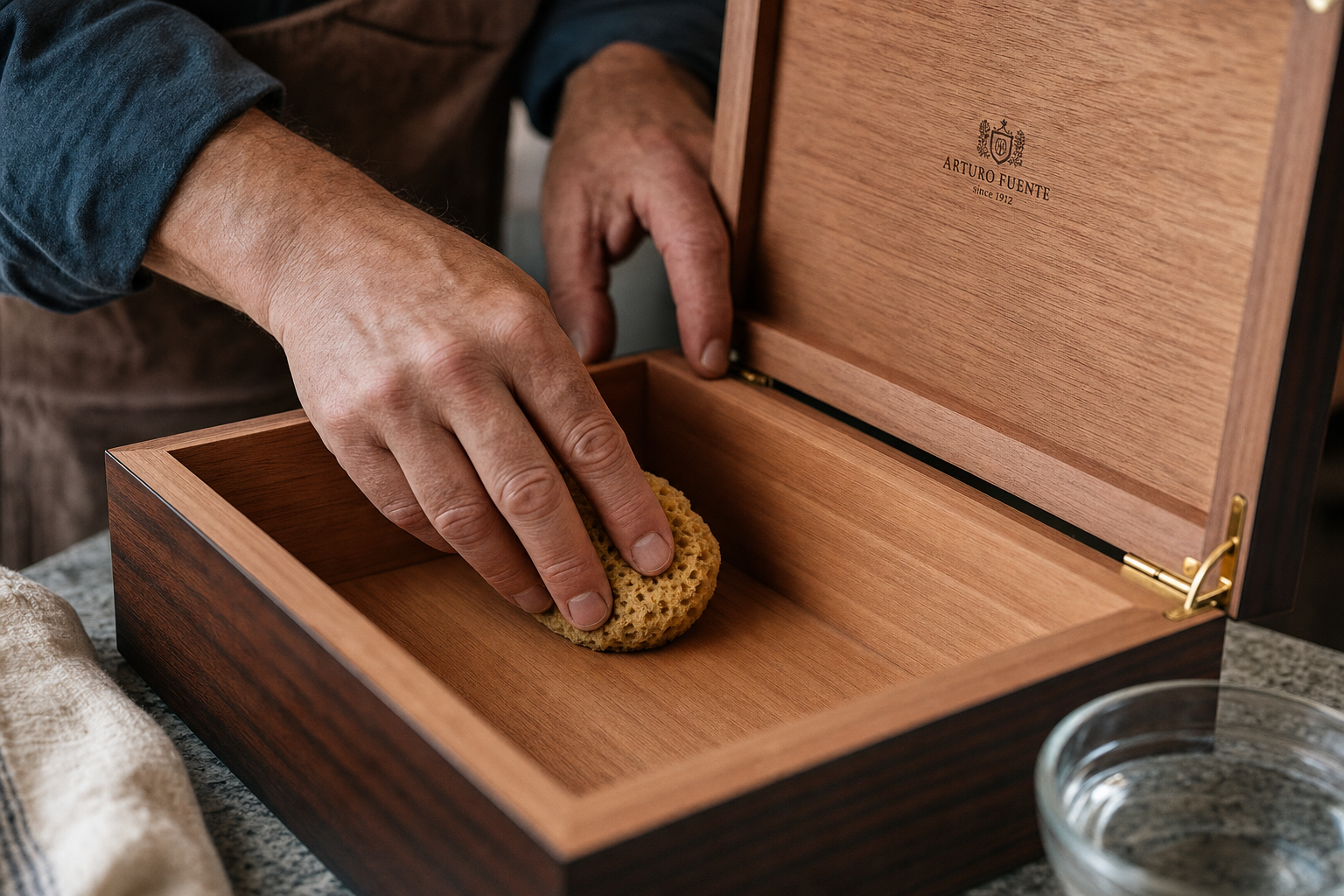
Imagine investing in a rare vintage wine only to store it improperly, resulting in a vinegar-like disappointment. The same principle applies to cigars. Premium cigars are crafted from carefully cured, fermented, and aged tobacco leaves, which remain biologically active and readily exchange moisture with the surrounding air. At the factory, cigars are typically finished at an internal moisture content of roughly 12–15% by weight, a level that keeps the tobacco supple and cohesive while allowing an even burn.
Without a humidor, cigars are vulnerable to the whims of the environment. If the air is too dry, the cigar loses moisture, becoming brittle and harsh. If the air is too humid, the cigar absorbs water, leading to a spongy texture, uneven burn, and potential mold growth.
A humidor's central purpose is to create a stable microclimate where the relative humidity and temperature are controlled to maintain that ideal internal moisture range. When humidity falls below about 60%, cigars become brittle; the wrapper can crack when handled or cut, and the cigar tends to burn too fast and too hot, producing harsh, papery flavors. When humidity rises above roughly 72%–75%, cigars become spongy and over-saturated, which leads to tight draws, uneven combustion, difficulty staying lit, and an increased risk of mold and tobacco beetle outbreaks.
The Physics and Chemistry of Cigar Moisture:
Premium cigars are made from whole tobacco leaves that have been cured, fermented, and aged, yet they remain biologically active plant material that readily exchanges moisture with the surrounding air. At the factory, cigars are typically finished at an internal moisture content of roughly 12–15% by weight, a level that keeps the tobacco supple and cohesive while allowing an even burn. If the surrounding air is too dry, the cigar gradually loses moisture; if the air is too humid, the cigar absorbs water. Because the difference between “just right” and “problematic” is only a few percentage points of moisture content, cigars are extremely sensitive to environmental conditions over time.
Protection from Environmental Fluctuations:
In many climates, particularly those with distinct winters and summers or monsoon seasons, ambient relative humidity can swing from below 30% in heated indoor winter environments to over 80% during rainy months. Temperature can vary by more than 20°F between seasons or even across different rooms in the same building. These swings are disastrous for cigars left in open air or in thin, unsealed boxes. As humidity cycles up and down, cigars expand and contract, which stresses the wrapper and binder, causes ripples or veins to lift, and can eventually result in cracking or internal voids that disrupt the draw.
A well-sealed humidor, whether a traditional Spanish cedar chest, a cabinet, or a plastic “tupperdor,” buffers these external swings. The wood or plastic walls, together with the mass of cigars and any cedar shelves or trays inside, act as a humidity “capacitor,” dampening rapid changes. Spanish cedar in particular absorbs and releases moisture slowly, helping to smooth out short-term fluctuations and contributing to a more stable equilibrium. This is one reason many experienced smokers and retailers value cedar-lined humidors or add cedar sheets even to plastic containers: not because cedar is strictly necessary for preservation, but because it materially improves stability in real-world conditions.
Preventing Biological Threats: Mold and Beetles:
Cigars are susceptible to two main biological hazards in storage: mold and tobacco beetles. Both are strongly influenced by humidity and temperature, and both are largely preventable with a properly managed humidor. Mold spores are ubiquitous in the environment; they germinate and grow when moisture and warmth exceed certain thresholds. In cigar storage, mold tends to appear when relative humidity is kept consistently above about 75% and temperatures exceed roughly 68–70°F. Under such conditions, cigars can develop fuzzy, raised patches in white, green, or blue hues, especially on the wrapper or at the foot, accompanied by a musty odor. Once mold penetrates a cigar’s interior, the cigar is effectively ruined and can pose health risks if smoked.
Tobacco beetles (most commonly Lasioderma serricorne) are another serious threat. Beetle eggs can be present in tobacco from the field or curing barn and may remain dormant until warmth and humidity trigger hatching. Various sources place the risk threshold at around 72% relative humidity and 72°F or higher; above this range, larvae can hatch and bore tiny round holes through cigars, consuming tobacco and spreading rapidly through a collection. Proper humidor management, especially avoiding sustained high temperatures in summer or near heat sources, is therefore a primary preventive measure against infestations.
Enabling Aging and Flavor Development:
Beyond preservation, humidors serve a more aspirational purpose: they allow cigars to age. Aging cigars involves storing them for months or years under controlled conditions, during which time harsh edges in young tobacco soften, flavors integrate, and complexity can increase markedly. Many enthusiasts and manufacturers report that full-bodied cigars with robust, oily wrappers in particular benefit from several years of rest at stable humidity and temperature, developing deeper notes and smoother transitions between thirds.
For aging, experts typically recommend temperatures between about 65–72°F and relative humidity between roughly 68–72%. These slightly upper-midrange humidity values help preserve essential oils and slow oxidation while avoiding the extremes that risk mold or overly tight draws. Over long time horizons, even minor fluctuations in humidity and temperature compound, making a properly functioning humidor or temperature-controlled cabinet essential for consistent aging outcomes. Without such an environment, cigars cannot be relied upon to evolve in a predictable or desirable way.
Optimal Humidity and Temperature: The Sweet Spot
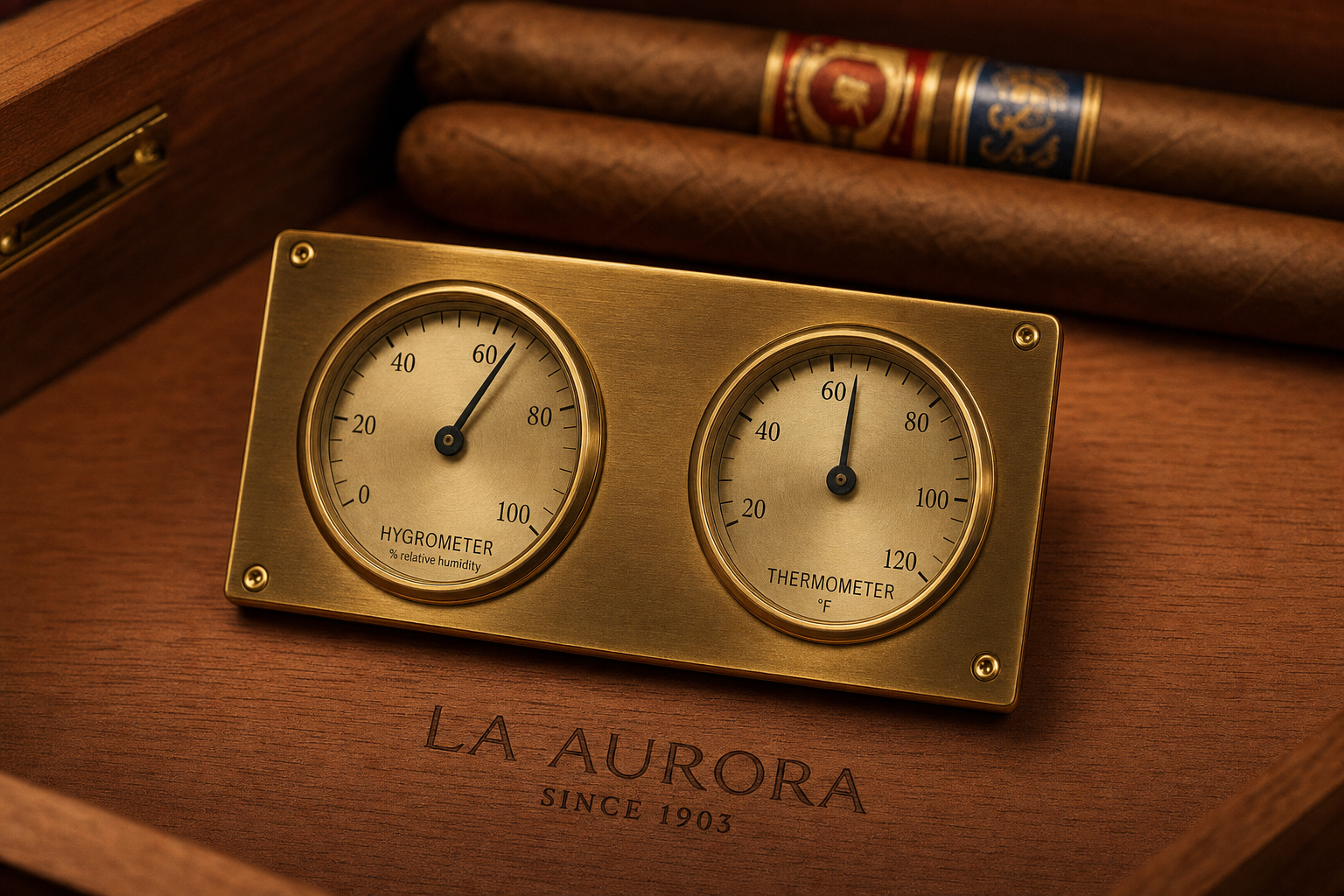
The age-old question: what are the ideal conditions for cigar storage? For decades, the "70/70 rule" has been the gold standard: 70% relative humidity and 70°F (about 21°C). While this remains a solid guideline, modern practice reveals a more nuanced approach.
Many experienced smokers, particularly in cooler or more humid climates, prefer slightly lower humidity, often in the 65–67% range. Cigars stored drier can draw more easily, burn more cleanly, and exhibit brighter flavors, while still remaining structurally sound. Humidor manufacturers, hospitality institutes, and cigar brands commonly endorse a broader acceptable range of about 65–72% relative humidity and 64–70°F for most cigars, emphasizing stability within this window rather than rigid adherence to a single number.
Moisture Content, Relative Humidity, and Tobacco Behavior:
While cigar guides usually speak in terms of relative humidity (RH), what actually matters for combustion and flavor is the moisture content of the tobacco leaf. Research on tobacco and pipe blends provides useful insight into how RH translates to moisture content by weight. Technical discussions suggest that at around 60% RH, tobacco equilibrates at roughly 12% moisture content; by around 66% RH, it approaches about 14%, and by 70% RH it can exceed 16%. The ideal range for many tobacco products during aging and handling is often cited as approximately 15–18% moisture content, whereas smoking performance may be better slightly lower, in the 12–14% band.
These numbers align well with NewAir’s observation that cigars coming out of the factory typically contain 12–15% moisture and perform best when that level is maintained until smoking. Damp cigars, caused by storage above roughly 70–72% RH, feel soft and spongy, resist ignition, and burn unevenly, whereas dry cigars stored below about 60% RH become brittle and crack, burning too hot and fast. The tactile test recommended by NewAir—rolling a cigar between the fingers to ensure it feels firm and resilient, not crunchy or excessively soft—is a simple field proxy for this underlying moisture content.
Temperature: As Important as Humidity:
While humidity attracts most of the attention, temperature is equally critical and intimately intertwined with RH. Warm air can hold more water vapor; as temperature rises, any given absolute water content corresponds to a lower relative humidity, and as temperature falls, RH rises. This means that an uncooled humidor sitting in a sun-lit room can experience simultaneous temperature spikes and humidity dips or surges, destabilizing cigars even if the humidifier is functioning.
Most expert sources converge on an ideal temperature range of approximately 65–70°F for cigar storage, with a strong emphasis on avoiding sustained temperatures above about 72–75°F. Above this threshold, the risk of tobacco beetle hatching increases sharply, especially if humidity is also elevated. Beetle larvae thrive when both RH and temperature are in the 70s; some technical discussions cite 72% RH and 72°F as the approximate line above which infestation is much more likely. Higher temperatures also accelerate aging reactions, potentially leading to premature flattening or deterioration of flavors in long-stored cigars.
Preventing Mold & Over-Humidification
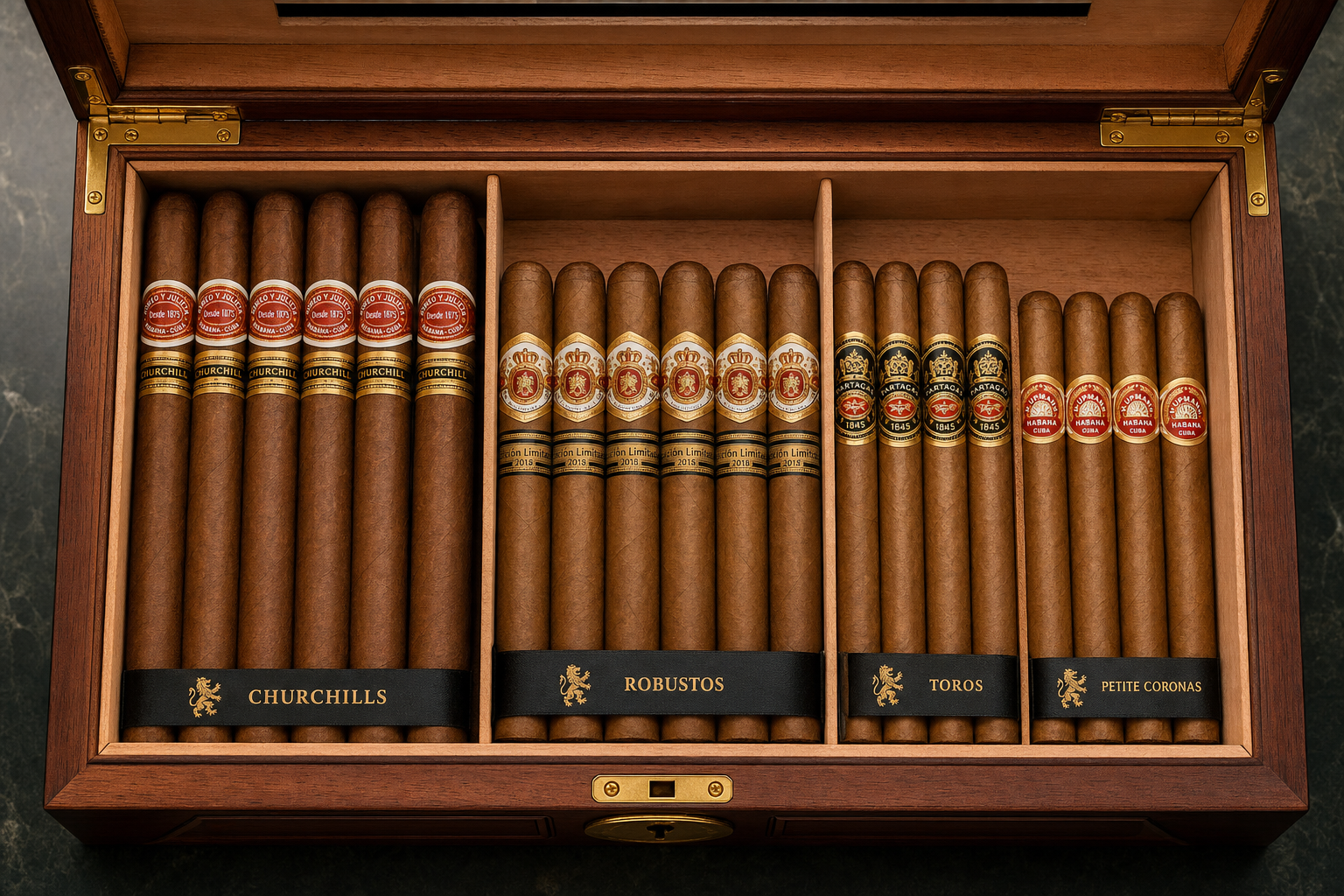
Mold and over-humidification are the enemies of any cigar collection. Maintaining optimal humidity levels is the best defense. Regularly monitor your humidor's hygrometer and adjust your humidification system accordingly.
Here are some practical tips:
Use distilled water only: Tap water contains minerals that can clog humidifiers and promote mold growth.
Avoid overfilling your humidifier: More isn't always better. Start with a small amount of water and gradually increase it as needed.
Inspect your cigars regularly: Look for any signs of mold, such as white or green spots.
Ensure proper ventilation: Don't overcrowd your humidor. Allow for air circulation between cigars.
Consider using humidity beads or packs: These provide a more stable and consistent humidity level compared to traditional sponges.
Digital vs. Analog Hygrometers: Choosing the Right Tool
A hygrometer is your humidor's dashboard, providing essential information about the internal humidity. You have two main options: analog and digital.
Analog hygrometers are the classic choice, offering a traditional aesthetic. However, they are notoriously inaccurate and require frequent calibration.
Digital hygrometers, on the other hand, provide more precise readings and are generally easier to use. Many models also offer temperature readings and even Bluetooth connectivity for remote monitoring.
While analog hygrometers may add a touch of nostalgia, digital hygrometers are the clear winner in terms of accuracy and convenience. Investing in a quality digital hygrometer is a small price to pay for the peace of mind knowing your cigars are stored in optimal conditions.
Conclusion: Protecting Your Investment, Enhancing Your Pleasure
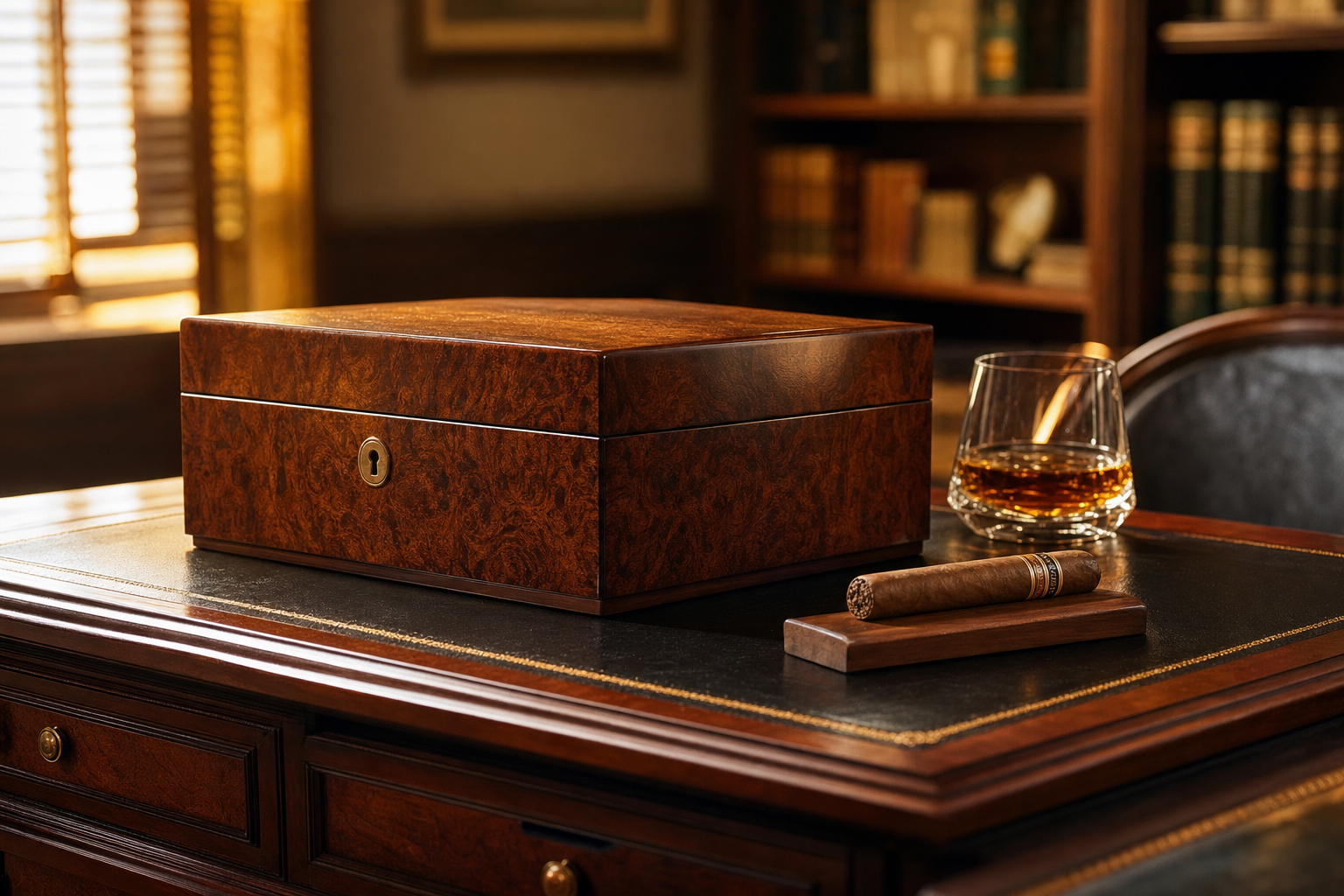
Caring for your cigars is an investment in your enjoyment. By understanding the importance of a humidor, maintaining optimal humidity and temperature, preventing mold and over-humidification, and choosing the right hygrometer, you can ensure your cigars remain in pristine condition, ready to deliver a rich and satisfying experience.
As the cigar cooler humidor segment alone grows from roughly USD $1.2 billion in 2024 to a projected USD $2.0 billion by 2033, more collectors and industry professionals are investing in serious storage than ever before.
So, take the time to properly care for your collection. Your palate will thank you.
