

The Art of Lighting a Cigar Properly: A Comprehensive Guide for Every Smoker

Welcome to Cigars 101, the new blog series from the Beyond the Humidor Podcast—your go-to guide for exploring all things cigars. Whether you’re just lighting up your first stick or you’re a seasoned aficionado refining your palate, we’re here to share the knowledge, stories, and traditions that make the cigar experience truly exceptional. From cutting and lighting tips to deep dives into cigar history, construction, and culture, Cigars 101 aims to enhance your appreciation and elevate every moment you spend with a fine cigar. So, pull up a chair, pour a drink, and join us as we journey together through the rich world of premium cigars.
Welcome, fellow aficionados! In the realm of cigars, where tradition meets personal enjoyment, the simple act of lighting up is often underestimated. It's more than just applying flame to tobacco; it's the crucial first step in unlocking the full potential of your chosen cigar. Whether you’re a seasoned smoker or just embarking on your cigar journey, mastering the art of lighting a cigar properly is paramount. Today, on this fine Sunday, March 15th, 2026, let’s delve into the nuances of this essential ritual.
According to recent industry data, a significant 40-50% of cigar smokers identify as "new smokers" or hobbyists still learning the ropes. And guess what? Surveys show that improper lighting is among the top three frustrations for those new to the world of cigars. This makes understanding and perfecting your lighting technique not just a matter of preference, but a gateway to a more satisfying and flavorful experience.
This comprehensive guide will explore the tools, techniques, and philosophies behind lighting a cigar, ensuring that every puff is as enjoyable as the next.
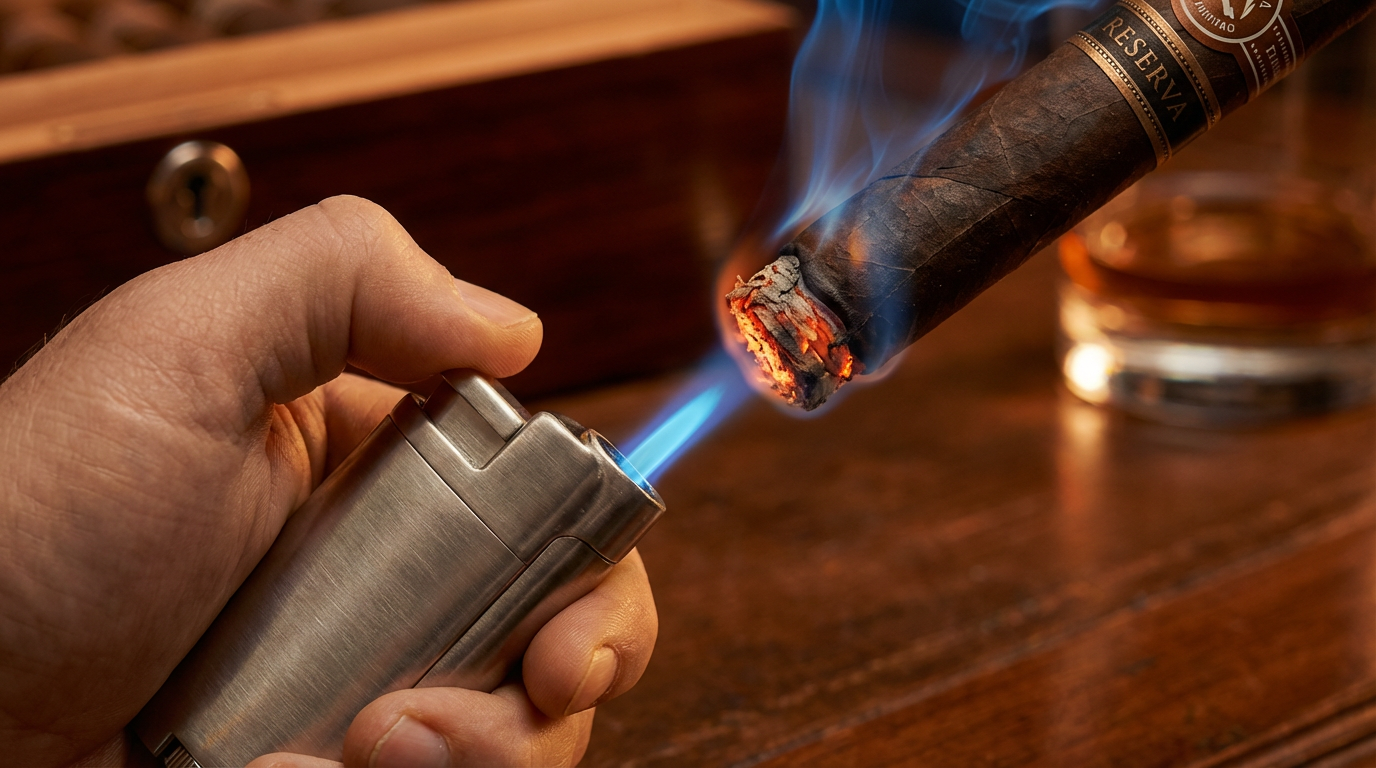
1. The Role of Torch, Soft Flame, and Cedar Spills: Choosing Your Weapon
The first step in mastering the art of lighting a cigar is understanding the tools at your disposal. Each has its unique characteristics and is suited for different situations and preferences.
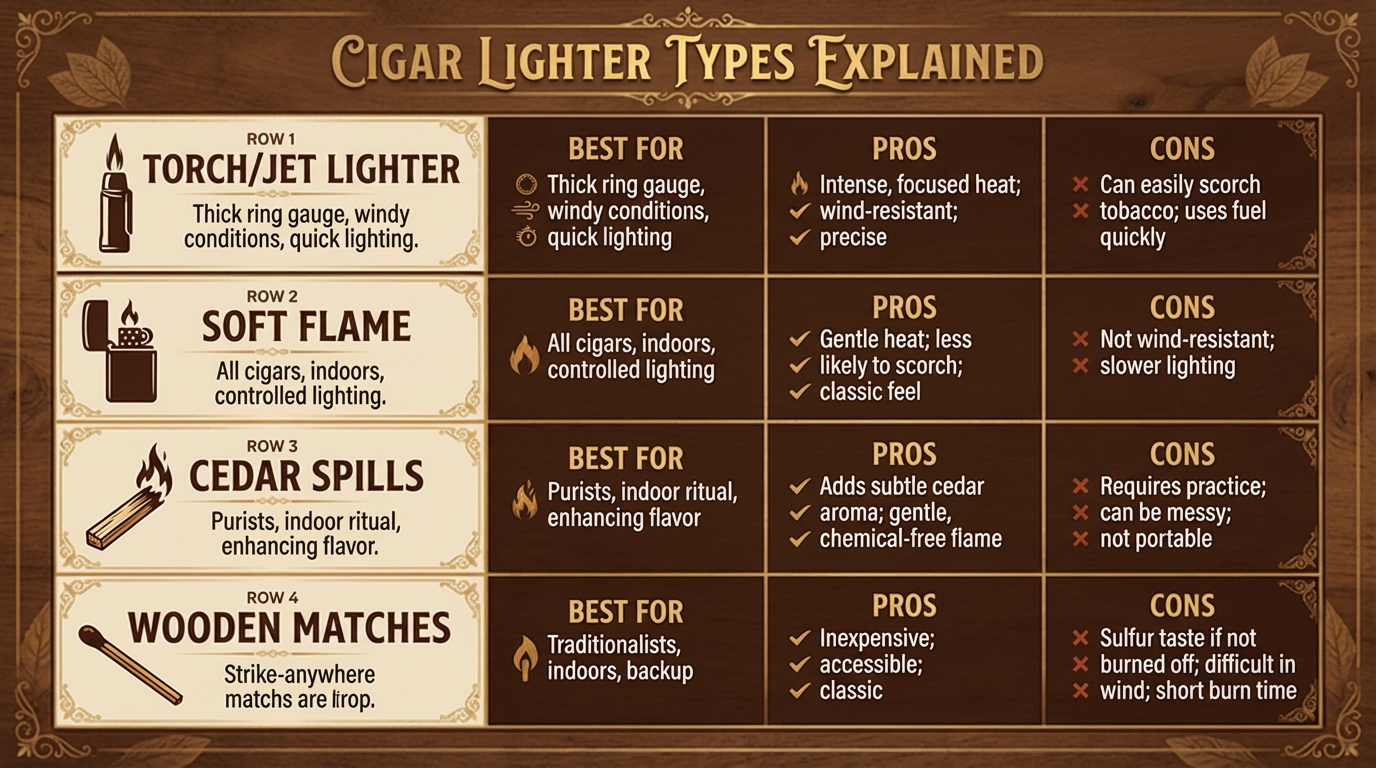
Torch Lighters: These lighters, also known as jet lighters, are favored for their consistent, high-temperature flame. They are particularly effective in outdoor settings where wind can be a factor. The premium lighter market is booming, with brands like Xikar Xidris and Colibri becoming status symbols among enthusiasts. However, the intensity of the torch requires a delicate touch to avoid scorching the tobacco.
Soft Flame Lighters: Soft flame lighters offer a more traditional and gentler approach. They are ideal for indoor use, where the flame is less likely to be affected by the elements. Brands like Clipper offer budget-friendly, quality soft flame options, while S.T. Dupont and Zippo represent the luxury end of the spectrum. The soft flame allows for a more gradual and controlled lighting process, appealing to those who appreciate the ritualistic aspect of cigar smoking.
Cedar Spills: For the true connoisseur, cedar spills represent the pinnacle of cigar lighting ritual. These thin strips of cedar wood are lit and used to gently toast the foot of the cigar. This method not only imparts a subtle cedar aroma but also regulates the temperature, minimizing the risk of scorching. While requiring more time and preparation, the cedar spill offers a unique and refined experience.
The choice between these options often boils down to personal preference and the specific context of your smoke. A quick, efficient torch might be perfect for a casual smoke on the golf course, while a slow, deliberate cedar spill lighting might be reserved for a special occasion in the comfort of your home.
2. Avoiding Scorched Tobacco and Uneven Burns: The Key to a Smooth Smoke
Two of the most common pitfalls in cigar lighting are scorched tobacco and uneven burns. Both can significantly detract from the smoking experience, resulting in a bitter taste and a frustratingly inconsistent draw.
Avoiding Scorched Tobacco:
The key to preventing scorched tobacco is to avoid direct contact between the flame and the cigar. Instead, use the radiant heat of the flame to gently toast the foot of the cigar. Maintain a distance of about 1-2 inches between the flame and the tobacco, allowing the heat to gradually char the wrapper. As master rollers and aficionados emphasize, gentle flame and even heat distribution are paramount. Cedar spills are particularly effective at preventing scorching due to their naturally regulated temperature.
Achieving an Even Burn:
An uneven burn, where one side of the cigar burns faster than the other, can lead to a frustrating smoking experience. To avoid this, rotate the cigar during the initial lighting process, ensuring that all parts of the foot are evenly toasted. A single or double torch lighter can be more effective than a soft flame in achieving consistent heat distribution. Lighting the foot at a 45-degree angle, rather than perpendicular, can also help to promote an even burn.
If an uneven burn does occur, don't despair. Gently touch up the lagging side with your lighter, being careful not to scorch the tobacco. With a little patience and practice, you can correct the burn and enjoy a more consistent smoke.

3. Ritual vs. Practicality in the Lighting Process: Finding Your Balance
The act of lighting a cigar can be approached in two distinct ways: as a purely practical task or as a ritualistic experience. The choice between these approaches depends on your personal preferences, the occasion, and the time you have available.
The Pragmatic Approach:
The pragmatic approach emphasizes efficiency and consistency. It typically involves using a torch lighter to quickly and evenly light the cigar, focusing on achieving a good burn and a smooth draw in as little time as possible. This approach is ideal for casual smokers who enjoy cigars frequently and don't want to spend too much time on the lighting process.
The Ritualistic Approach:
The ritualistic approach, on the other hand, emphasizes the sensory experience and the connection to tradition. It often involves using cedar spills or matches to slowly and deliberately toast the foot of the cigar, savoring the aroma and the anticipation of the first puff. This approach is perfect for special occasions or for those who appreciate the slower, more mindful aspects of cigar smoking.
Finding Your Balance:
Ultimately, the best approach is the one that you enjoy the most. There's no right or wrong way to light a cigar, as long as you achieve a good burn and a smooth draw. As Cigar Aficionado magazine consistently ranks proper lighting technique in their "essentials" guides, it's worth experimenting with different methods to find what works best for you.
Many experts recommend that new smokers master the torch technique first, due to its reliability and ease of use. Once comfortable with the torch, they can then progress to cedar spills to appreciate the ritual element.
Best Practices & Proven Strategies: The Three-Point Lighting Method
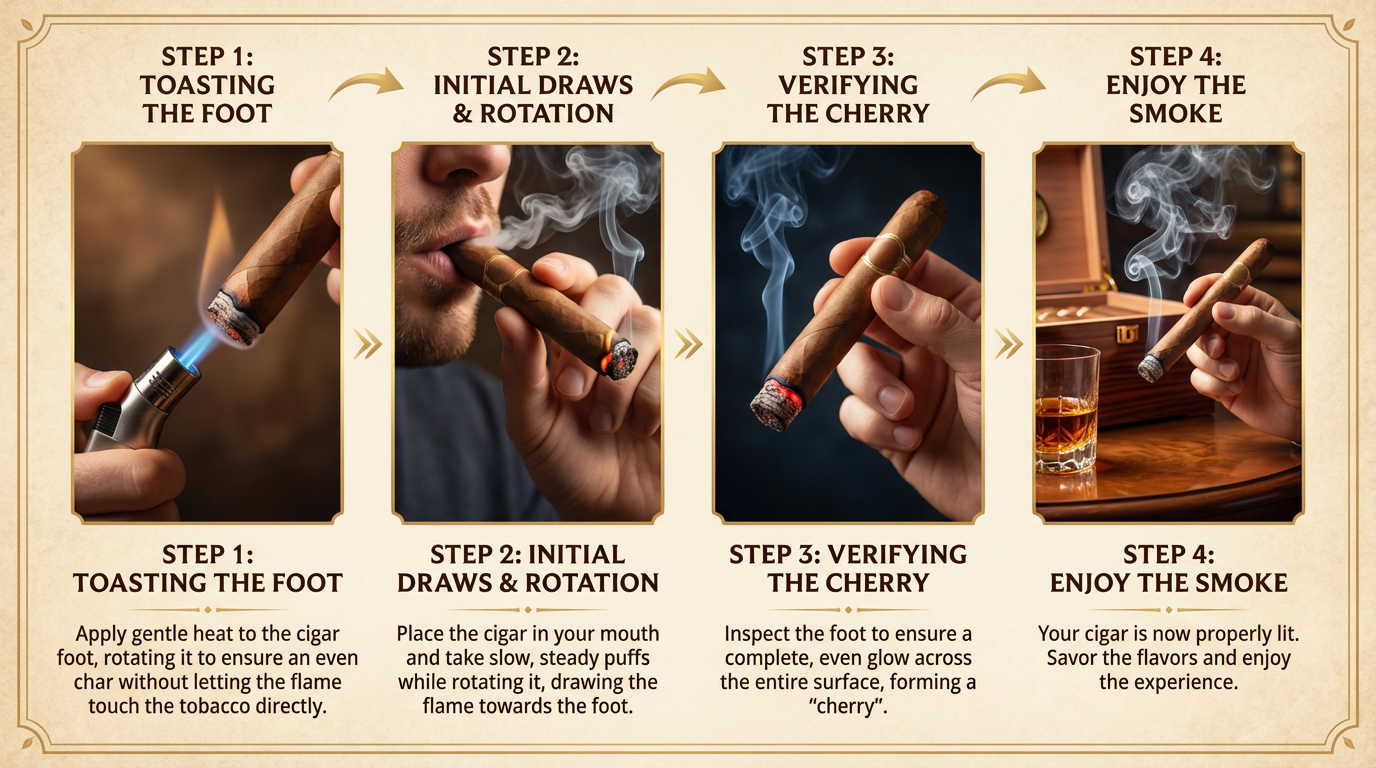
The Three-Point Lighting Method (Industry Standard)
Stage 1: Toast the Foot (15-20 seconds)
* Hold cigar at 45-degree angle
* Bring torch flame close without contact
* Gently rotate to heat the entire foot evenly
* Goal: Slight charring on the wrapper edge
Stage 2: Initial Draw (20-30 seconds)
* Place cigar in mouth
* Create gentle suction while maintaining flame proximity
* Continue rotating
* Listen for slight crackling sound (indicates proper light)
Stage 3: Remove & Verify (10-15 seconds)
* Remove from mouth
* Check for even cherry formation
* If uneven, repeat Stage 2 on the under-lit side
* Total time: 45-60 seconds
Cedar Spill Technique (Premium Method)
* Pre-light cedar spill before cigar (takes 10-15 seconds)
* Hold lit spill perpendicular to cigar foot
* Allow radiant heat to light tobacco gradually (30-45 seconds)
* Lower scorching risk, adds subtle cedar flavor notes
* Creates ritualistic, artisanal presentation
### Real-World Examples & Application
Example 1: The New Smoker Journey
* Week 1: Uses disposable lighter, inconsistent results, scorches tobacco
* Week 3: Purchases quality torch lighter, learns three-point method via YouTube
* Week 6: Can light evenly 80% of the time
* Week 12: Experiments with cedar spills, appreciates ritual element
Example 2: Social Media Influence
* Instagram and TikTok videos of "perfect" cigar lighting have created expectations
* Cigar lounges now conduct "lighting masterclasses"
* Specialty retailers report 25-40% of new customers cite online content as motivation
Example 3: Retailer Best Practice
* High-end cigar shops include "lighting station" with multiple lighter types
* Staff demonstrates proper technique before first purchase
* Customers who receive guidance have 60% higher return rate
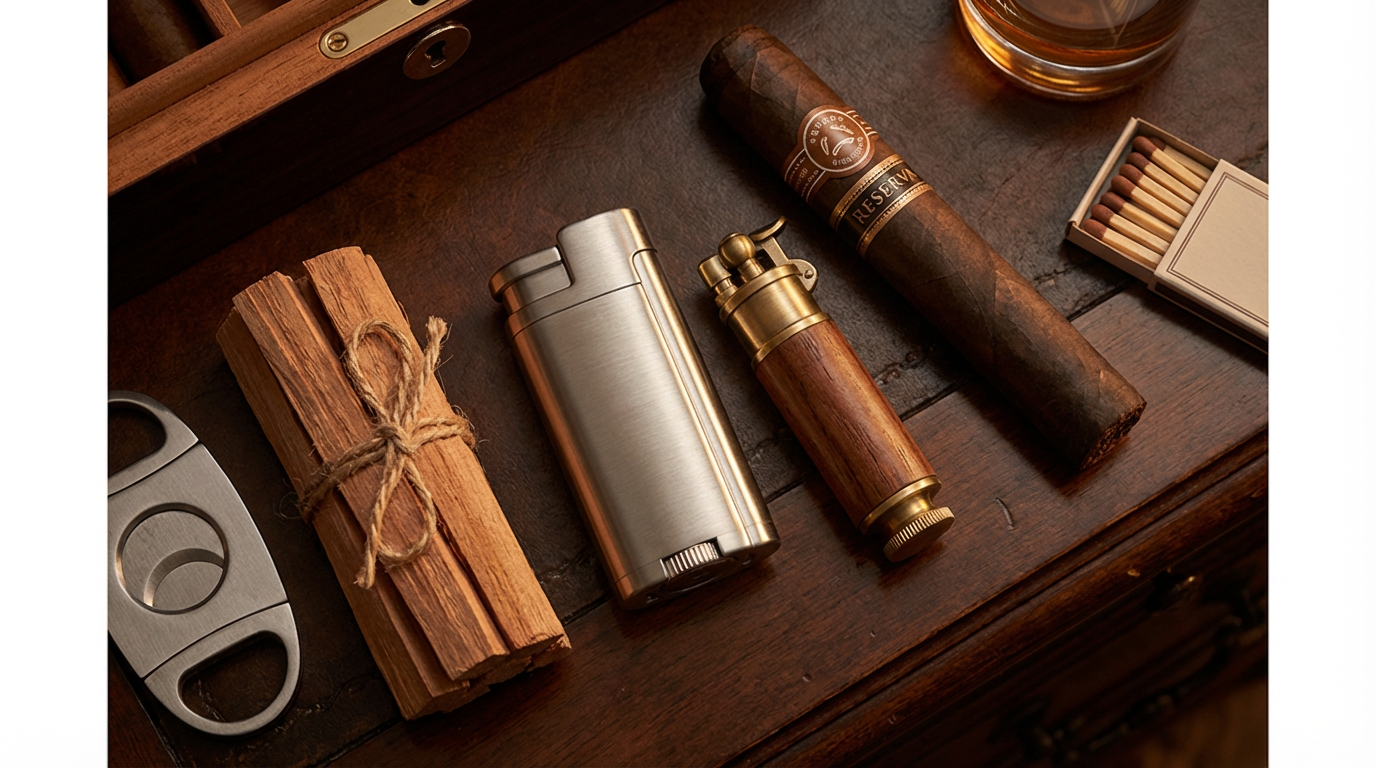
Essential Tools
Lighters:
* Xikar Xidris, Colibri, Dunhill (premium torch options)
* Clipper (budget-friendly, quality soft flame)
* S.T. Dupont, Zippo (luxury soft flame)
Accessories:
* Cedar spills (from quality cigar shops or online retailers)
* Butane (for torch lighter refilling)
* Cigar cutter (essential companion tool)
* Ashtray with rest (ergonomic benefit)
Conclusion: Ignite Your Passion
Mastering the art of lighting a cigar is a journey, not a destination. It requires patience, practice, and a willingness to experiment with different techniques and tools. But the rewards are well worth the effort. A properly lit cigar offers a smoother, more flavorful, and more enjoyable smoking experience.
So, whether you're a seasoned smoker or just starting out, take the time to learn the art of lighting a cigar properly. It's a skill that will enhance your enjoyment of this timeless pastime for years to come.
Now, go forth and ignite your passion! What's your preferred method for lighting a cigar? Share your tips and experiences in the comments below! And don't forget to share this guide with your fellow cigar enthusiasts. Happy smoking!
